

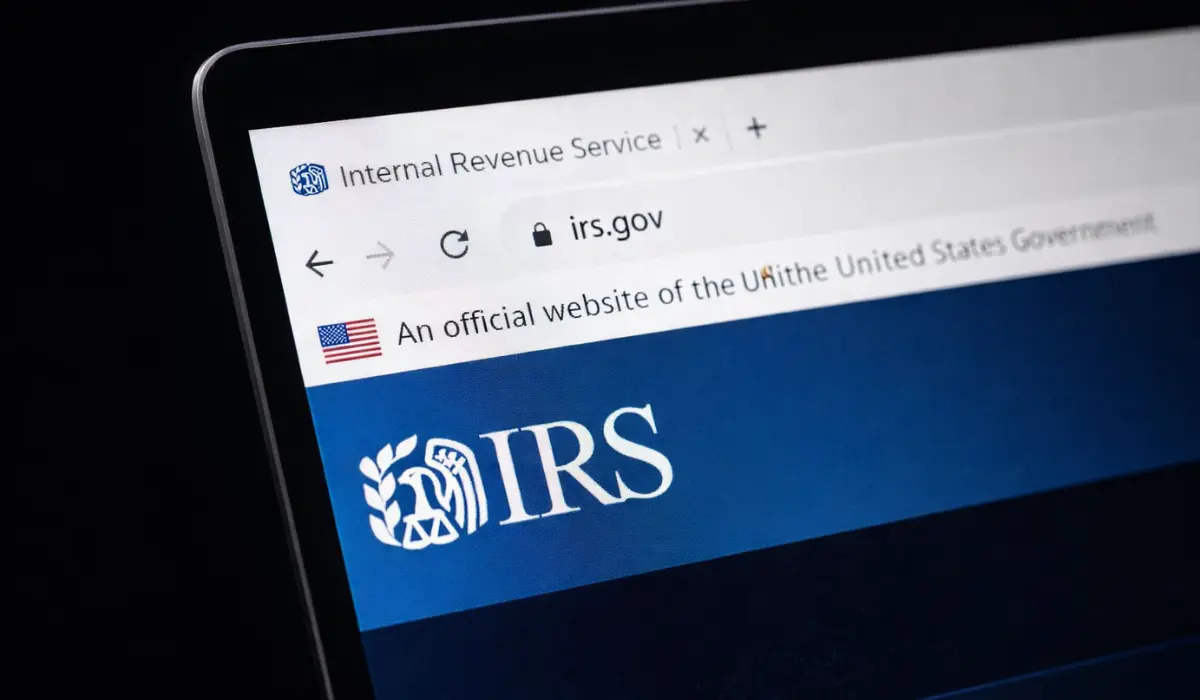
Tens of thousands of Americans faced a digital brick wall this week as the Internal Revenue Service (IRS) website suffered a major outage, just as the agency entered its busiest period of the year.
On Wednesday, the “Where’s My Refund?” tool and the online taxpayer portal went dark, leaving filers unable to track payments during a season defined by sweeping tax changes and record-breaking refund amounts.
IRS’s Online Portal Goes Dark
The disruption comes at a critical juncture for the IRS, which is currently implementing the “One Big Beautiful Bill” Act (OBBBA), the flagship tax reform package signed into law by President Trump in 2025.
The legislation, also known as the “Working Families Tax Cut,” has dramatically altered the tax landscape for the 2025 filing year. Early data from Treasury Secretary Scott Bessent and IRS CEO Frank Bisignano suggest that average refunds are surging by nearly $1,000 per filer, driven by expanded credits and landmark deductions that took effect retroactively.
One of the most significant drivers of this year’s “refund windfall” is the realization of the “No Tax on Tips and Overtime” provision. Under the OBBBA, service workers and hourly employees can now claim a dollar-for-dollar deduction of up to $25,000 for qualified tips and $12,500 for overtime pay. Because withholding tables were not adjusted mid-year in 2025, many workers effectively “overpaid” their taxes throughout the year and are now owed massive lump-sum returns.
This sudden injection of liquidity into the household sector has led to a 35% surge in website traffic, which likely contributed to Wednesday’s system failure.
The full implementation of the “Modernizing Payments to and from America’s Bank Account” executive order, signed by Trump in March 2025, is adding to the anxiety over the IRS website outage. This mandate required all federal agencies to cease the issuance of paper checks by September 2025 in a bid to reduce fraud and administrative costs.
This means, for the 2026 filing season, the IRS has effectively transitioned to a digital-only refund model. While 93% of taxpayers already use direct deposit, the remaining 7% — roughly 6.5 million individuals — now find themselves in a precarious position.
Under the new rules, taxpayers without bank accounts are directed to use digital wallets or prepaid debit cards. However, if their banking information is missing or rejected, the IRS no longer automatically mails a paper check. Instead, the refund is held in a processing freeze until the taxpayer can verify their identity and provide electronic payment details through the very online portal that unfortunately crashed earlier this week.
This has sparked frenzy, with taxpayer advocates arguing that the government’s transition to a paperless system is moving at a faster rate than what the IRS’s IT infrastructure can handle.
Despite the technical hurdles, the agency remains optimistic about the tax season’s overall success. Agency leadership noted that the IRS2Go mobile app remained functional during much of the site’s downtime, and they continue to promise a 21-day turnaround for most electronic filers.


