

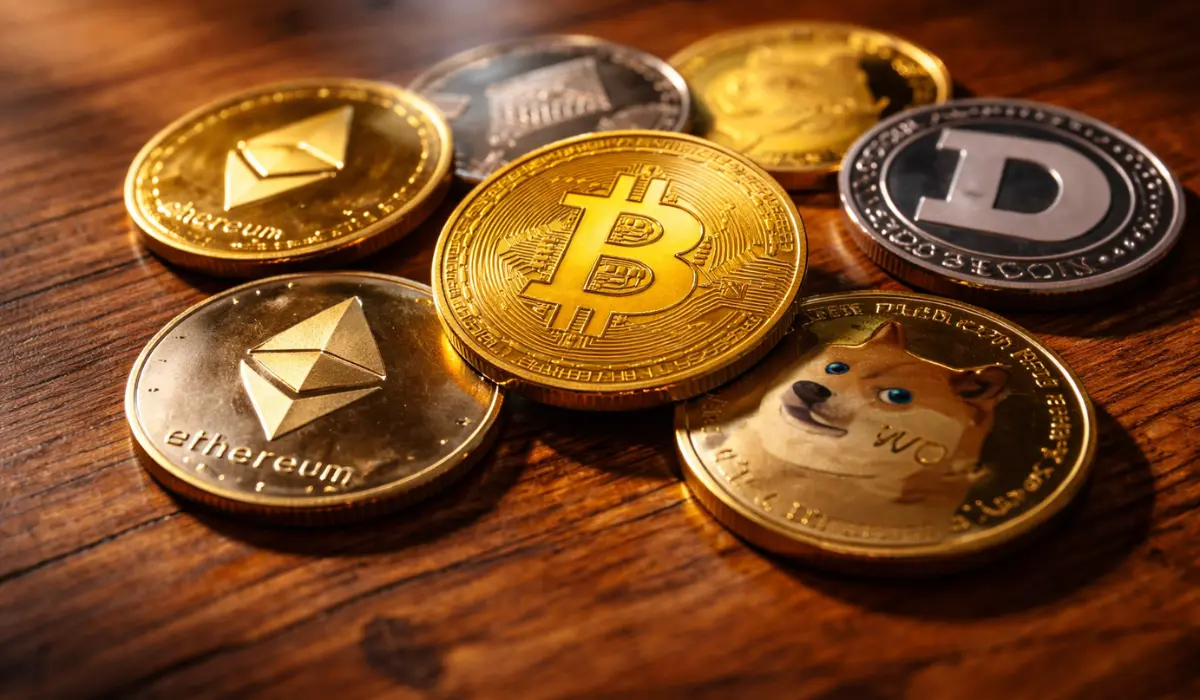
The global cryptocurrency market saw a slight decline on March 6, 2026, after a strong recovery the previous day. The total market value dropped about 2%, bringing the overall crypto market capitalization to $2.48 trillion. Bitcoin fell by 1.8%, while Ethereum declined by 1.3%. Other major cryptocurrencies like BNB, XRP, and SOL also recorded losses during the day.
Market analysts say the decline was caused by a mix of factors. These include broader economic concerns, technical market signals, and changing investor sentiment. After the recent rebound, many traders appeared to take profits, which added selling pressure across several major digital assets.
Technical Factors and Market Liquidations
Bitcoin faced strong resistance near $74,000, causing a market pullback after a recent rally. The cryptocurrency had climbed about 16% in the past five days, but it failed to break through the key price level. Analysts say the $73,000-$75,000 range acted as a major liquidity zone where many traders decided to take profits.
As selling increased, the price moved lower and weakened short-term bullish sentiment in the market. The rejection at this level also triggered liquidations in leveraged trading positions. This means traders who had borrowed funds to bet on rising prices were forced to close their trades, adding more selling pressure to the market.
Economic and Regulatory Uncertainty
Rising geopolitical tensions have added pressure to the global financial markets, including cryptocurrencies. The ongoing military conflict involving the United States, Israel, and Iran has led to a de facto closure of the Strait of Hormuz, a vital maritime chokepoint for global energy shipments, following direct military engagements and the death of Iran’s Supreme Leader. This disruption has severely impacted supply chains and pushed crude oil and gas prices higher.
Investors are worried that rising energy prices could increase inflation again. Because of this uncertainty, many traders are moving their money to traditional safe-haven assets such as gold. This cautious market mood has led the capital to move away from riskier assets, including cryptocurrencies, contributing to the recent decline in the crypto market.
Progress on the CLARITY Act, a proposed US law aimed at creating clear rules for the cryptocurrency industry, has slowed down in Congress. Although Donald Trump has urged lawmakers to move quickly on the bill, several major banking groups have rejected a compromise suggested by the White House.
They argue that the proposal could create risks for traditional financial institutions. Because of this disagreement, the bill may not pass before the 2026 summer congressional recess. The delay has created uncertainty for the crypto industry, as the CLARITY Act was expected to provide clearer regulations and support growth in the digital asset market.
The recent price drop caused about $252 million in crypto liquidations within 24 hours.. Around $167.5 million came from long positions, where traders were betting that prices would rise. As prices fell, these leveraged positions were forced to close, which increased selling pressure in the market. Altcoins were hit especially hard during this process.
At the same time, the crypto Fear and Greed Index dropped to 18, showing Extreme Fear among investors and a clear decline in risk-taking sentiment across the market.
Crypto markets recently moved more closely with traditional risk assets such as stocks and commodities. Instead of acting independently, cryptocurrencies followed the same market trends as equities. At the same time, gold prices also declined, which weakened the idea of Bitcoin being a digital gold or safe-haven asset.
This situation made bitcoin appear more like a high-risk technology investment rather than a store of value. Institutional investors also showed caution during this period. Outflows from crypto ETFs and weaker activity in the futures market indicate lower confidence, which further reduced positive sentiment and contributed to the overall cautious mood in the crypto market.


