

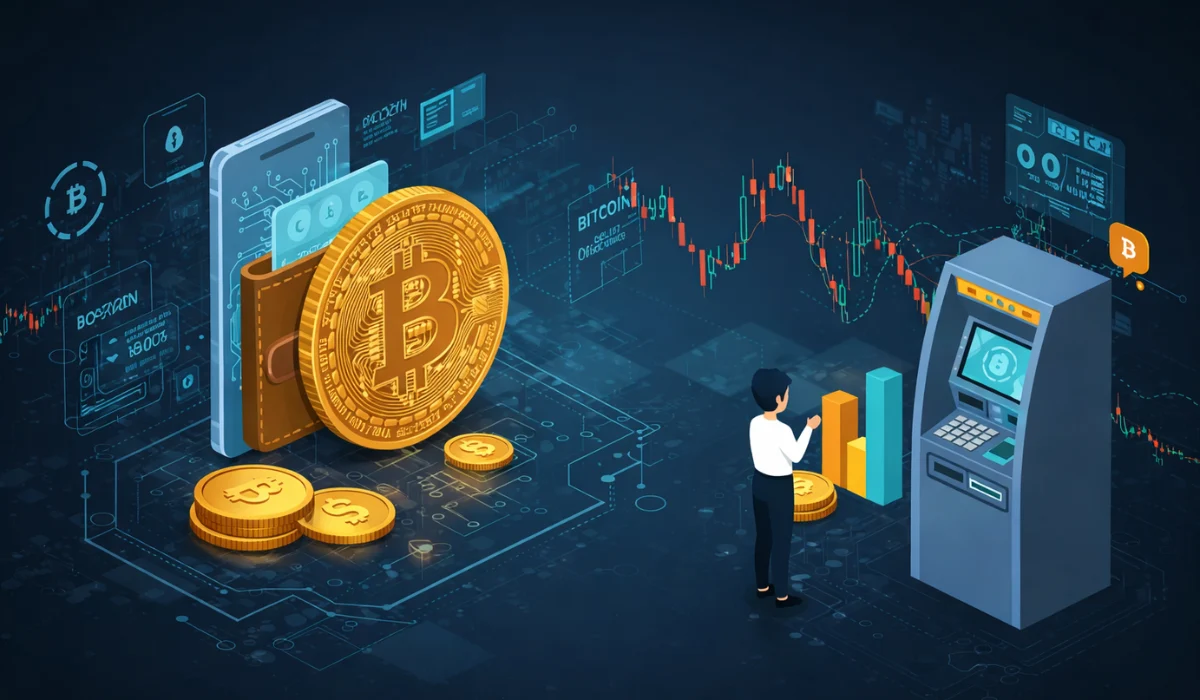
In the crypto ecosystem, transaction fees are the charges that users have to pay to the blockchain network of a particular cryptocurrency. Transaction fees are flexible in nature and can vary based on how busy the blockchain is. Most transaction fees are fixed on cryptocurrency exchanges, but blockchain fees are variable. A user who wants to speed up a transaction can choose to do so by paying higher transaction fees. This article discusses various aspects, including crypto fee changes, how fees are calculated, and various tips that help users reduce transaction fees, etc.
Factors Leading to the Fee Change
The major factors leading to a fee change are listed below.
- Network congestion leads to changes in transaction fees primarily through increased competition for limited block space on the blockchain. High congestion results in high transaction fees.
- Transaction demand is a key factor that results in congestion. Especially during market volatility or mass adoption events, which can increase transaction activity.
- Blockchain structure and design are another aspect; different blockchains use different methods to process transactions. Some blockchains are designed to handle more transactions at lower costs, maintaining a stable fee structure, whereas Ethereum and Bitcoin have limited block space, which results in fluctuating fees.
- Transactions involving smart contracts or multiple inputs require more data and computing power, which results in higher transaction fees.
- A sudden change in the price leads to a change in trading activity. Increased trading raises network usage, resulting in the rise of transaction fees.
- Miners or validators earn fees by adding a new block to the blockchain. These fees are collected from users who send transactions and are included in the block that the miner or validator validates.
How is Transaction Fee Calculated?
The transaction on the blockchain is calculated depending on several factors. Therefore, it is difficult to predict the fees. Each blockchain is different. Networks like Bitcoin, Ethereum, and Tron calculate the fees in their own way. If the number of transactions is high, then the transaction fees will also be higher. The transactions may take longer when the number of transactions is high, and the fees will also be higher. Users can pay extra to complete the transaction quickly. Major blockchains have a base fee that changes frequently depending on the network activity.
Why is Transaction Fee Important?
The transaction fee is important because it ensures that the blockchain runs smoothly. They also reward miners and validators for securing the network and preventing spam attacks. When the network is busy, higher fees allow users to prioritize their transactions and complete them promptly. Over time, these fees support the network’s operations, which becomes increasingly important as block rewards decrease, such as in Bitcoin.
How Users Can Reduce Transaction Fees?
Users can employ the following methods to reduce transaction fees.
- Transactions can be carried out during off-peak hours, such as late nights, early mornings, when congestion is lower, which results in reduced fees.
- Users can opt for the “economy” fee option, which can cut the cost by half or more, though it may take longer processing times.
- Using Layer-2 scaling solutions is another powerful way to reduce fees.
- Choosing a different blockchain with inherently lower fees can also be beneficial.
- Some platforms like OxaPay use an internal balance system and smart routing to eliminate blockchain fees, enabling zero-cost payments.
Conclusion
The transaction fees are determined by the data volume of the transaction and user demand for block space. The transaction fees depend on the network. For example, Bitcoin, Litecoin, and Ethereum all have different transaction fees. It is crucial because their payments incentivize miners to maintain their role in upholding the blockchain network. Many people around the world have resorted to cryptocurrencies to transfer or receive money from abroad because they are realizing that crypto transactions are, in fact, quick and economical when compared to traditional bank transfers, which often involve high transaction fees.


