

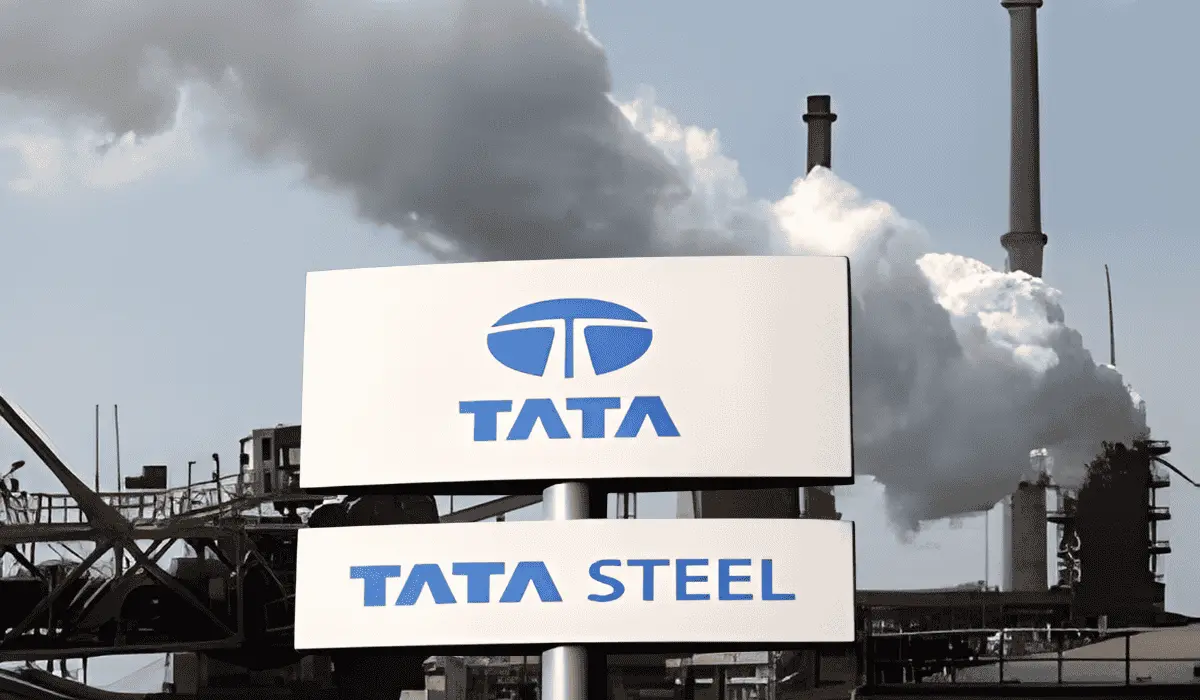
Tata Steel is facing a major challenge in the Netherlands, as SFW, a local resident organization, has filed a huge lawsuit seeking €1.4 billion in damages for health issues and land price depreciation caused by pollution from Tata’s steel plants. Tata Steel’s Dutch units have issued a statement dismissing the claim as “Unsubstantiated and speculative.”
Both parties are waiting for the District Court’s ruling on whether the claim is admissible under the WAMCA (Dutch legislation for mass damages) rules. If found admissible, the court will proceed to the next phase, examining Tata’s liability, damages, and remedial measures. This can exacerbate Tata’s operations as they are already facing multiple lawsuits of a similar nature in the Netherlands.
What is the Claim? And who is SFW?
Stichting Frisse Wind (SFW) is a Dutch NGO formed by the residents of the IJmond region near the Tata Steel IJmuiden B.V. plant. The organization was founded in 2021 by concerned parents of the region to address pollution from Tata’s steel plant and associated health risks (especially on children).
The organization initiated mass claim mobilization from its inception, as they drafted notices of liability and sign-ups for mass claims, which included more than a thousand people. A study conducted by RIVM ( Dutch National Institute for Public Health and the Environment) in 2022 found that Tata Steel plants are the primary source of PAHs and metals present in the environment around IJmond. Such studies, along with growing political scrutiny and pressure from environmental groups, have finally led to the full-blown WAMCA class-action lawsuit.
The claim is against two steel plants: Tata Steel Nederland B.V. and Tata Steel IJmuiden B.V., which, according to SFW, acted unlawfully, polluting the wider IJmond region, causing distress, health issues, nuisance, and property damage to the residents. Apart from the monetary compensation, the organization also seeks to impose strict measures on the plants to reduce emissions and improve the living environment around the plant.
Tata’s Defence and ‘Green Steel Plan’
Tata is preparing to defend the claim as they see that there is “substantial ground for defence” since there is no direct linkage between the steel plants’ operation and the alleged scale of damage. They also highlighted the “Green Steel Plan” ( a plan to reduce emissions significantly in the future), in a PR focused move, inviting attention to their long term environmental commitment and vision.
𝗘𝗲𝗻 𝗱𝗮𝗴 𝗼𝗺 𝘁𝗿𝗼𝘁𝘀 𝗼𝗽 𝘁𝗲 𝘇𝗶𝗷𝗻: 𝗵𝗲𝘁 𝗠𝗘𝗥 𝗶𝘀 𝗶𝗻𝗴𝗲𝗱𝗶𝗲𝗻𝗱!
— Tata Steel Nederland (@TataSteelNL) June 30, 2025
✅ Minder CO₂
✅ Minder stikstof
✅ Afscheid van kolen
Op weg naar schoner staal in Nederland.
Lees wat dit betekent voor de toekomst 👉https://t.co/jDYyxilKDc#groenstaal #toekomst pic.twitter.com/K1Uwx8cT04
Tata also emphasized ‘Roadmap+’ and the non-binding pact with the Dutch government for integrated decarbonisation- both of which aim towards decreasing emission of pollutants and heavy metals by transforming to environmentally friendly energy sources and processes. This includes moving away from coal-based furnaces to electric furnaces, and to hydrogen fuel in the future.
How the Case Could Play Out
The Netherlands saw a wave of mass class action lawsuits once WAMCA (The Act on the Resolution of Mass Claims in Collective Action) came into effect on January 1, 2020. More than 70 mass claim lawsuits have been filed since then. Some of the suits have been rejected outright since the court didn’t find them admissible. Hence, WAMCA is certainly not automatically claimant-friendly. Moreover, some of the claims have led to partial resolutions and negotiations between both parties.
There are no precedents for a billion-dollar claim under WAMCA, yet the Netherlands has seen very large payouts like the €1.3 billion Fortis (now Ageas) case even before WAMCA. Hence, things can potentially swing in any direction. The district court’s ruling on admissibility will set the direction for further proceedings, a decision both parties are awaiting closely.


