

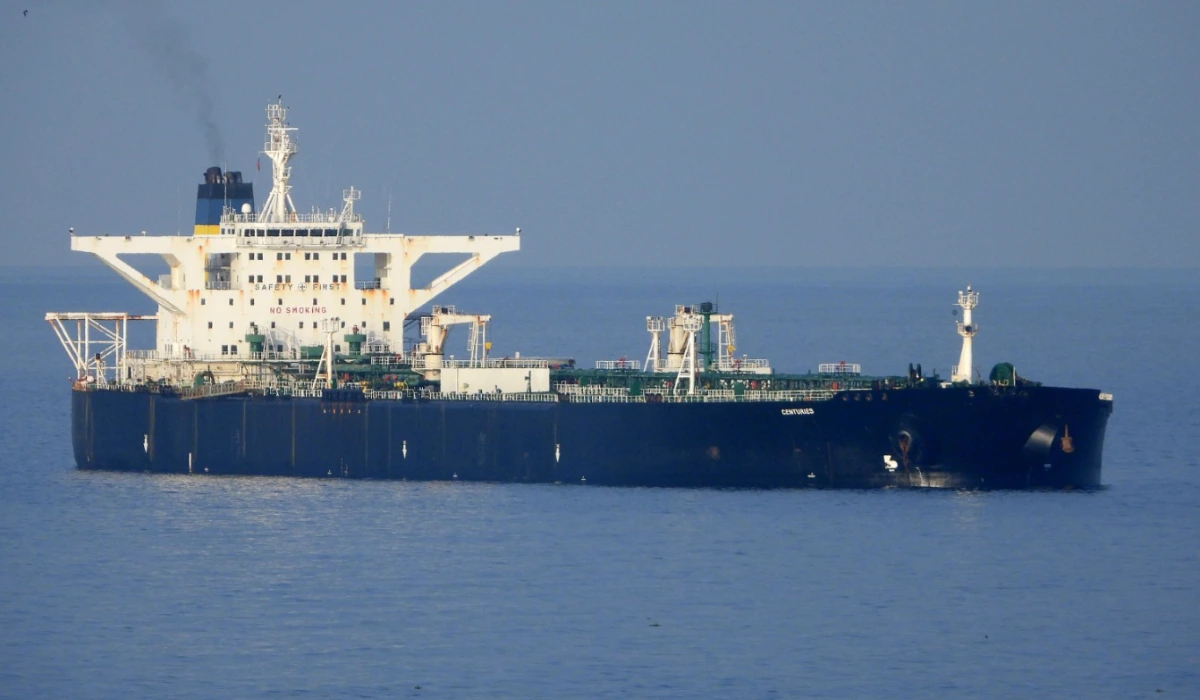
In the latest escalation of the US blockade on Venezuelan oil, the Department of the Treasury’s Office of Foreign Assets Control (OFAC) has issued fresh sanctions on key entities and vessels involved in Venezuela’s oil trade. The strategic move declared through the Treasury Department’s website on the New Year carries significant implications for both the US and Venezuela.
The measures regarding the sanctions that appeared on the website note how the maximum pressure campaign led by US President Donald Trump is taking shape. By strategically targeting the oil industry of Venezuela, the Trump administration is explicitly targeting the main revenue stream of the Nocholas Maduro led government of Venezuela.
Specific Targets: Firms And The “Shadow Fleet”
This new round of sanction note specifically four companies and four associated crude oil tankers, which are associated with the “shadow fleet”. This shadow fleet is accused of being designed to evade international restrictions. Four firms mentioned above are sanctioned because they have facilitated the crude oil transport. Following is a list of the four companies:
- Aries Global Investment Ltd. (Hong Kong-based)
- Krape Myrtle Co. (Hong Kong-based)
- Winky International Ltd. (Hong Kong-based)
- Corniola Ltd. (Zhejiang, China-based)
Since four of the tankers mentioned above carry connections with the above mentioned companies, the US government has flagged them as well. Here are the four oil tankers that have been sanctioned:
- Della: A crude oil tanker flagged in Hong Kong. Notably, this vessel made a U-turn away from Venezuela’s Jose port in late December after U.S. interception efforts.
- Nord Star: A Panama-flagged crude oil tanker.
- Rosalind (also known as Lunar Tide): A Guinea-flagged oil products tanker.
- Valiant: A Hong Kong-flagged crude oil tanker.
Strategic Context And “Narco-Terrorism” Allegations
These sanctions, which are part of a broader geopolitical tension, carry implications that reach more domains than simple trade disputes. This sanction is not an isolated event, either, as it has been a strategy that was intensified throughout late 2025. The Nicholas Maduro regime is not on good terms with the US administration, and this is evident from the words of Treasury Secretary Scott Bessent, who stated that the action aims to prevent the “illegitimate Maduro regime” from profiting from oil exports while allegedly flooding the U.S. with illegal drugs.
Since there are narcotics involved, the US administration has taken a hostile stance against the Maduro government by calling it a narco-terrorist regime. To give more context to these sanctions, the US government has made it clear that these sanctions are considered part of a national security necessity. In addition to the financial restrictions, the US government has also made physical enforcement in the region.
Chief among these physical enforcements is a maritime blockade, which began in early December. In this action, US President Donald Trump announced a full blockade on oil tankers entering or leaving Venezuelan waters. In addition to this, the US Navy has given chase to oil tankers that breached the parameters of the sanctions and performed over two dozen attacks on vessels that were carrying narcotics in the Caribbean and Pacific. The US forces have also seized control of two oil tankers off the Venezuelan coast.
A rather notable escalation occurred on Venezuelan soil when CIA operatives conducted a drone strike on a Venezuelan coastal dock facility believed to be used by drug cartels. This action, which took place on 24th December, 2025, was publicly appreciated by the US president in late December.
Impact Of The Events And International Reaction
The combination of strikes and sanctions had a devastating effect on the Venezuelan energy sector. After the sanctions were in place, it was reported that oil exports from the region were cut in half by December, when compared with November metrics. China, which is a major buyer of Venezuelan oil, has called the US action “unilateral bullying.” According to Chinese government officials, the actions of the US government violate international laws.
The Maduro government’s reply to sanction stated how this had nothing to do with anything other than the US government’s desire to take over the vast oil reserves of Venezuela. Moscow called the sanctions and the associated naval blockade modern piracy. As a direct challenge to the US government, Russia has initiated the re-registration of vessels so that they can fly the Russian flag onboard. This will escalate things if further strikes take place on the vessels that fly under the Russian flag.


