

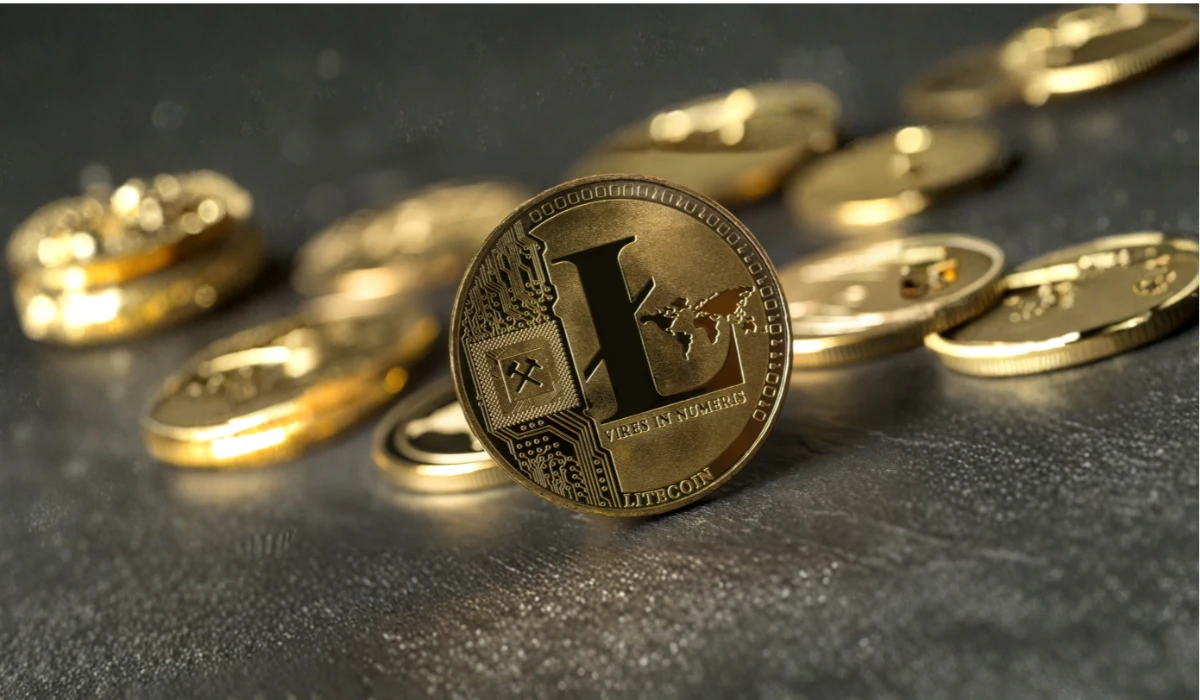
Litecoin is a decentralized digital currency introduced in 2011 by Charlie Lee. It is an altcoin, which is an alternative digital currency to Bitcoin. It can be used by individuals as well as institutions to buy services and commodities and to transfer funds between accounts. This article discusses what Litecoin is, how it improves transaction speed and cost when compared to Bitcoin.
What Is Litecoin?
LTC is a native asset of the Litecoin network, which is used to transfer value within the system. It can be sent globally without relying on any intermediaries. It plays a pivotal role in crypto’s payment infrastructure, balancing bitcoin’s security model and incremental innovation. It is used by many users due to the following features:
- Transactions are carried out more quickly than on the Bitcoin network, supporting everyday transfers and settlements.
- Litecoin is suitable for frequent and smaller payments as the fees are typically low.
- Litecoin has proven its resilience and dependability with many years of continuous operation.
Why speed And Low Cost Matter In Global Payments.
The traditional banking system requires a lot of time to process transactions quickly. This delay can cause problems for businesses that rely on fast cash flows and need money urgently. Low cost is equally important because high transaction fees reduce the actual value received by the payment. Many global payment systems charge an extra fee for various purposes, like currency conversion, cross-border transactions, etc. This extra charge can be a burden, especially for businesses and individuals in developing countries. Therefore, faster and cheaper transactions ensure the overall economic efficiency by improving financial access and supporting the overall global trade.
How Does Litecoin Address These Needs?
Litecoin was introduced to solve issues like low transaction speed and high cost, which were prominent in earlier cryptocurrencies like Bitcoin. Its original intention was to make it convenient for small and daily transactions. Litecoin produces a new block every 2.5 minutes on average. On the other hand, Bitcoin takes about 10 minutes. This implies that Litecoin can do transactions faster when compared to Bitcoin. The total supply of coins is another factor that helps to adapt to small payment scenarios and provides a broader digital currency supply.
The transaction cost of Litecoin typically involves very low fees because the network is designed to process payments efficiently with minimal costs. This makes Litecoin more user-friendly and practical, as the frequent and small payments have low fees. Since it is a decentralized network that doesn’t require banks or intermediaries to validate transactions, it helps in reducing delays and extra charges associated with traditional systems.
Pros And Cons Of Litecoin
Pros
- Litecoin processes transactions quickly, making it suitable for everyday payments.
- Transaction costs are very less, making it cost-effective.
- It operates on a decentralized blockchain network, meaning it does not rely on banks and central authorities.
- It was introduced in 2011, making it one of the oldest cryptocurrencies that is widely used and established.
- Litecoin has a stable and strong network.
Cons
- It has lower adoption when compared to Bitcoin.
- It does not support advanced smart contracts, which limits its use in decentralised applications.
- Price volatility is another concern that makes it difficult for everyday users.
- Some users perceive Litecoin as similar to Bitcoin, which can limit its unique appeal
Conclusion
Litecoin is a major cryptocurrency that can be mined and traded on major exchanges. It is faster, has more coins available than Bitcoin. Additionally, the future cannot be predicted due to the volatility of the cryptocurrency market. Its history, reliable nature may suggest that it may remain a part of the crypto ecosystem in the future.
FAQs
Litecoin does appear to have a future. It has survived multiple market cycles, including major price rises and declines.
It is called digital silver because it complements bitcoin’s digital gold role by being cheaper, faster, and accessible for everyday transactions.
Litecoin was created to improve transaction speed and cost, not primarily centralization.
Litecoin creates blocks faster than Bitcoin, which enables quicker transaction confirmation. Faster block times can slightly increase the risk of double-spending attacks


