

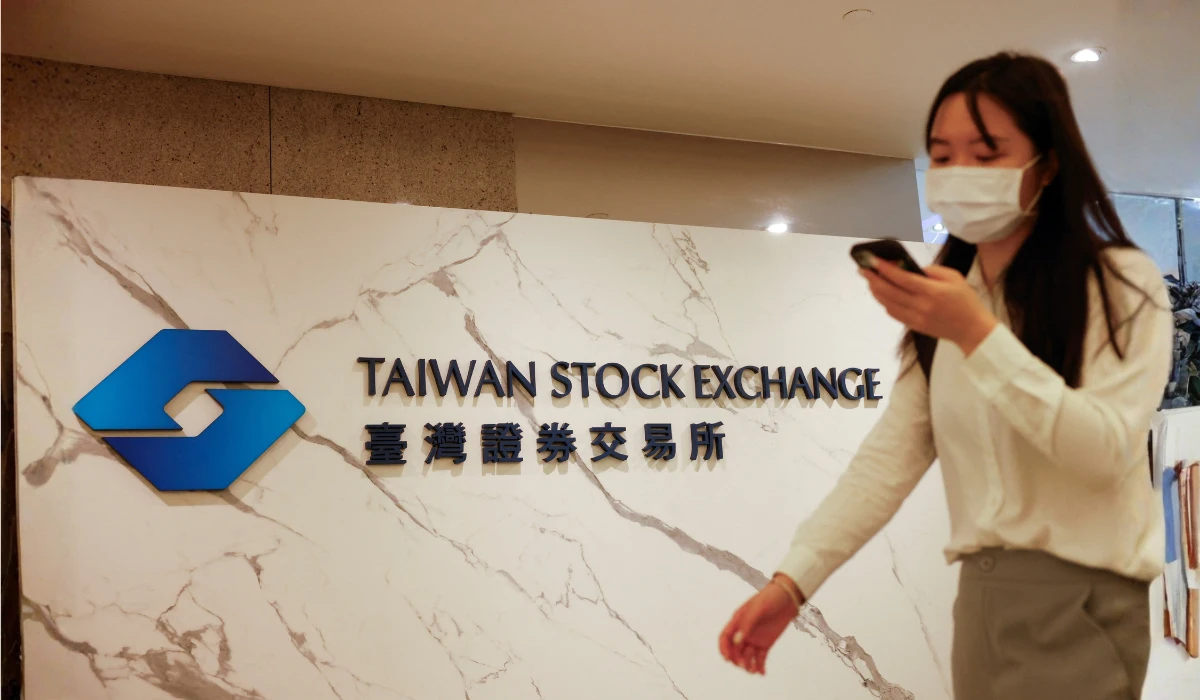
The Asian market started the week with strong gains, as equities in South Korea and Taiwan rallied on renewed investor optimism around the capabilities of AI. This positive trend was amid the concerns over the U.S. Federal leadership and policy weighed on sentiment.
Tech Industry Leads the Regional Market Rally
South Korea’s KOSPI climbed to a record closing high, while Taiwan’s TAIEX showed a sharp surge towards an all-time high. The broader MSCI Emerging Asia Index increased by about 0.6%, driven largely by the semiconductor and technology sectors.
The strong earnings from the chipmakers and the increased demand forecasts for advanced computing components have contributed to prolonged market demand for AI and tech shares. The exponential growth of Taiwan’s market, heavily weighted towards chip foundries and suppliers, is pointing towards the structural growth associated with the global AI-powered supply chains.
Japan’s markets remained closed on Monday, for a public holiday, which resulted in a lower trading volume.
U.S. Market Shows a Slight Decline
However, the market conditions weren’t smooth for the US dollar, as its value tumbled by the most in three weeks. This downward trend was after the US prosecutors opened a criminal investigation against Powell, igniting concerns over the independence of the Fed.
James Powell, Fed Chair, described the investigation as a politically motivated move. This accusation raised concerns about the central bank’s independence while adding pressure to the global risk tolerance.
The headline news caused a slight decrease in the dollar’s value, while investors were weighing the implications for interest rate expectations and currency movements.
Impact of Geopolitical Activities on the Market
Geopolitical tensions impacted investor confidence. The ongoing protests in Iran, the attack by the US on Venezuela, escalating diplomatic friction between China and Japan, as well as the renewed discussions in Washington about acquiring Greenland, all added to a cautious environment in the market.
Despite the positive start of Asian markets, the geopolitical incidents are adding a cautionary outlook to the market.
How Much Did Asian Markets Gain?
South Korea’s KOSPI led the global markets, with a gain of 1.2%, backed by the advanced chipmakers and technology stocks. While Hong Kong’s Hang Seng Index climbed by 0.3%, supported by tech shares, mainland China’s CSI 300 and Shanghai Composite indexes also showed an increase.
Newly listed tech and AI companies in Hong Kong also edged higher, with Knowledge Atlas Tech showing an increase of 25% and MiniMax Group jumped more than 20%. Shanghai Iluvatar CoreX SemiCon, a prominent chipmaker in Hong Kong, also posted a modest rise.
Taiwan Semiconductor Manufacturing Company’s shares rose by 1.4% after a robust year-on-year growth in sales during December.
Currency Market Trends
While the equity market showed gains, the US dollar index posted its largest drop in three weeks, compared to other major currencies. This downward trend reflected a mix of risk tolerance and the changing investor expectations about global rate dynamics.
Asian currencies also exhibited a mixed performance, as the risk around the macro uncertainties exists, while traders are balancing the optimism in risk assets with caution.
Outlook on the Global Market Performance
The positive market trend was also supported by NVIDIA’s recent announcements about chip release and the upbeat commentary at the CSE trade show.
Market experts caution investors about the concentration risk and valuation concerns, while the AI-related optimism continues to push the tech stocks across the region higher.
However, the small number of mega-cap tech companies influences a significant share of market gains, leaving the indexes vulnerable if any sentiment shifts in the market occur. The geopolitical concerns and the policy developments are also influencing the market sentiments.


