

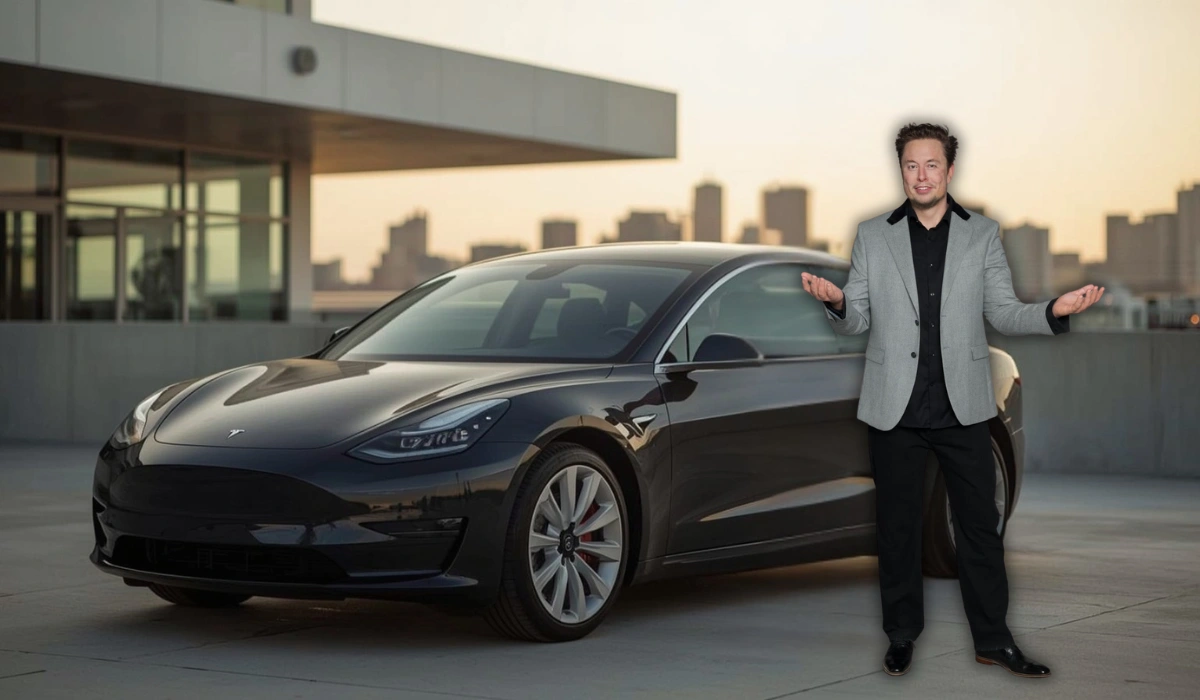
Tesla stock price closed at $447.20, down 0.39%, and slipped further in after-hours trading to $444.35, marking an additional 0.64% decline. Tesla Inc. (TSLA) is set to stop selling its Full Self-Driving (FSD) package as a one-time purchase, moving exclusively to a subscription-only model beginning February 14, 2026, according to an announcement from Elon Musk.
“Tesla will stop selling FSD after Feb 14. FSD will only be available as a monthly subscription thereafter,” Elon Musk said on X (formerly Twitter). The subscription change marks a significant strategic pivot for Tesla as the electric vehicle maker reshapes its autonomous driving business amid regulatory scrutiny and intensifying global competition.
Elon Musk Confirms Shift to Subscription-Only Full Self-Driving
Full Self-Driving (FSD) will no longer be available for an upfront fee of $8,000, and instead will be offered only via a subscription-only plan priced at $99 per month. The move effectively ends Tesla’s long-standing narrative that FSD is an “appreciating asset,” a claim Elon Musk has repeatedly made in past years.
The transition significantly lowers the barrier to entry for customers who previously hesitated to pay thousands of dollars upfront for Full Self-Driving (FSD). At $99 per month, the subscription-only model allows both new and existing owners to activate FSD without a large initial commitment, potentially increasing the attach rate across Tesla’s vehicle lineup.
From a financial standpoint, the move shifts Tesla away from unpredictable, high-margin one-time software sales toward stable, recurring revenue. Monthly subscriptions generate consistent cash flow, which many investors view more favorably than cyclical revenue tied to vehicle deliveries.
By embracing a subscription-only structure, the automaker mirrors the business models of leading software and technology companies. Market analysts say this could support higher valuation multiples over the long term, especially if Full Self-Driving adoption increases meaningfully at the $99 per month price point.
Regulatory Flexibility and Competitive Pressures
The transition also coincides with heightened regulatory scrutiny from the National Highway Traffic Safety Administration (NHTSA). The NHTSA has increased oversight of advanced driver-assistance systems following investigations into crashes involving automated features.
A subscription-only model gives greater flexibility to enable, modify, or restrict FSD features in response to evolving U.S. regulatory approvals. This approach reduces legal complexity compared with permanent ownership of software capabilities.
At the same time, global competition is intensifying. Chinese automaker BYD continues to expand its driver-assistance offerings at competitive price points. While BYD has not matched Tesla’s full autonomy ambitions, its rapid progress underscores the need for Tesla to adapt.
BYD overtook Tesla as the world’s largest electric-vehicle seller after both companies released their full-year 2025 sales figures in early January. Tesla said it delivered about 1.64 million vehicles globally in 2025, marking a second consecutive annual decline, while BYD reported sales of more than 2.25 million battery-powered vehicles, driven by strong growth in China and overseas markets. Although BYD surpassed Tesla by volume, the U.S. automaker has remained more profitable and is banking on self-driving and robotaxi initiatives to support future growth.
As February 14, 2026, approaches, Tesla (TSLA) is betting that subscriptions, not upfront promises, will define the next phase of autonomous driving monetization.


