

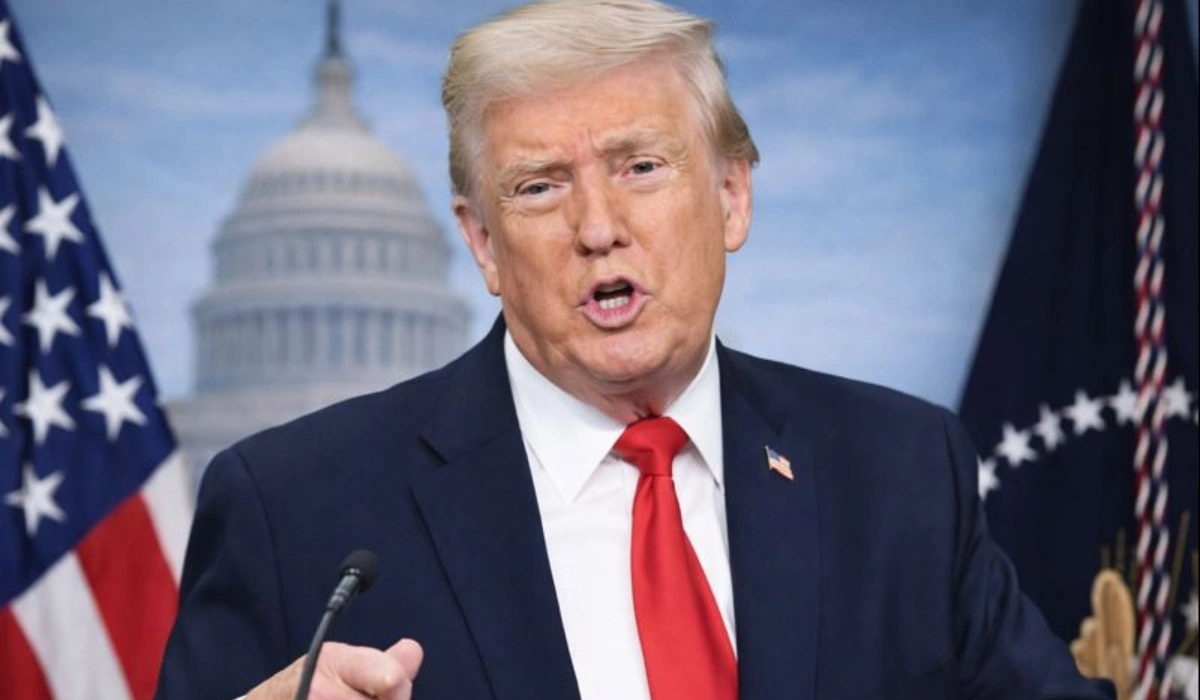
The stock market cuts through U.S. President Donald Trump’s recent threat to impose tariffs on eight European allies, as the messages failed to resonate with European leaders. The threat was catalyzed by his insistence on acquiring Greenland from the longtime ally Denmark. The plan frightened Wall Street by sparking serious talk within NATO about a fundamental rupture to the transatlantic military alliance that has been a linchpin of post-World War II security.
The Shocking De-Escalation
The stock market witnessed its biggest loss since October, at the World Economic Forum in Davos, Switzerland, Trump grumbled about the stock market ‘dip’ with some annoyance during the speech. He complained that the market gyrations occurred despite the U.S., he validated it, “giving NATO and European nations trillions and trillions of dollars in defense.” (WEF) However, during the speech, he made his first and vital abrupt shift, he took off the plan of employing military force to take over Greenland. He said, “I won’t do that. OK?”
Hours after the conference, Trump announced that he is retreating from the tariffs altogether and said that he has come to terms with the NATO Secretary-General, Mark Rutte, on the ‘framework’ on Greenland. Trump did not provide any details on the terms of the framework, however after his remarks, the S&P 500 rallied 1.2%, which recovered about half the ground it had lost the day earlier.
After the retreat, Denmark’s Foreign Minister, Lars Lokke Rasmussen, declared that, “the day is ending on a better note than it began.” (Al Jazeera) But he also reported that the details of the agreement still need to be worked out with clarity. Rutte, on Wednesday evening in an appearance on Fox News, dispersed a few hints about what precisely he and Trump agreed to.
In-house Triggered Opposition
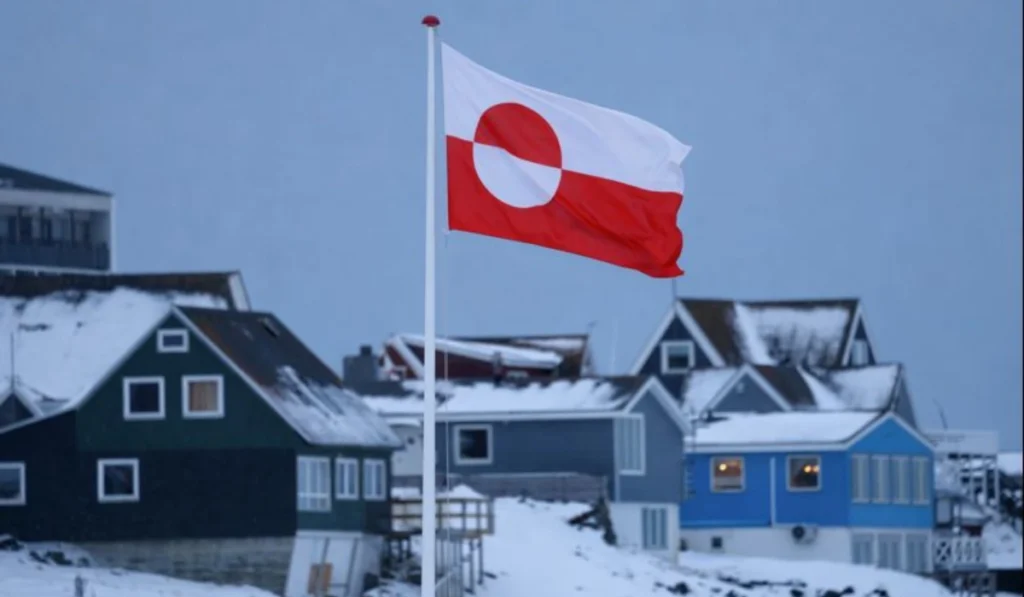
It is important to note that a lot of U.S. officials were also concerned about Trump’s threats and bellicose language towards Greenland, Denmark, and the NATO allies, fearing that it might bring harm to other foreign policies as well. Many European countries were already skeptical about the proposed board’s broad global mandate; they reacted even more negatively to the concept of Trump’s tariff threat. Max Bergmann, the director of the Europe, Russia and Eurasia Program at the Center for Strategic and International Studies, said that a major lesson the European leaders learned was that having a strong grip and being firm can defuse any crisis.
On the contrary, Mathew Kroenig, Vice President and Senior Director of the Atlantic Council’s Scowcroft Center for Strategy and Security, countered that the idea that Trump would seize Greenland seemed more like a bluff all this time. He also added that it is kind of one that might have worked. He also opined that the negotiation style had some downsides, for instance, dragging the Prime Minister of Canada, a close ally of the U.S., to propose that smaller countries can unite against aggressive superpowers.
Following the retreat at the World Economic Forum (WEF), the European Parliament suspended the approval of the U.S. trade deal agreed in July that was aimed at protesting against Trump’s demand to take over Greenland.


