

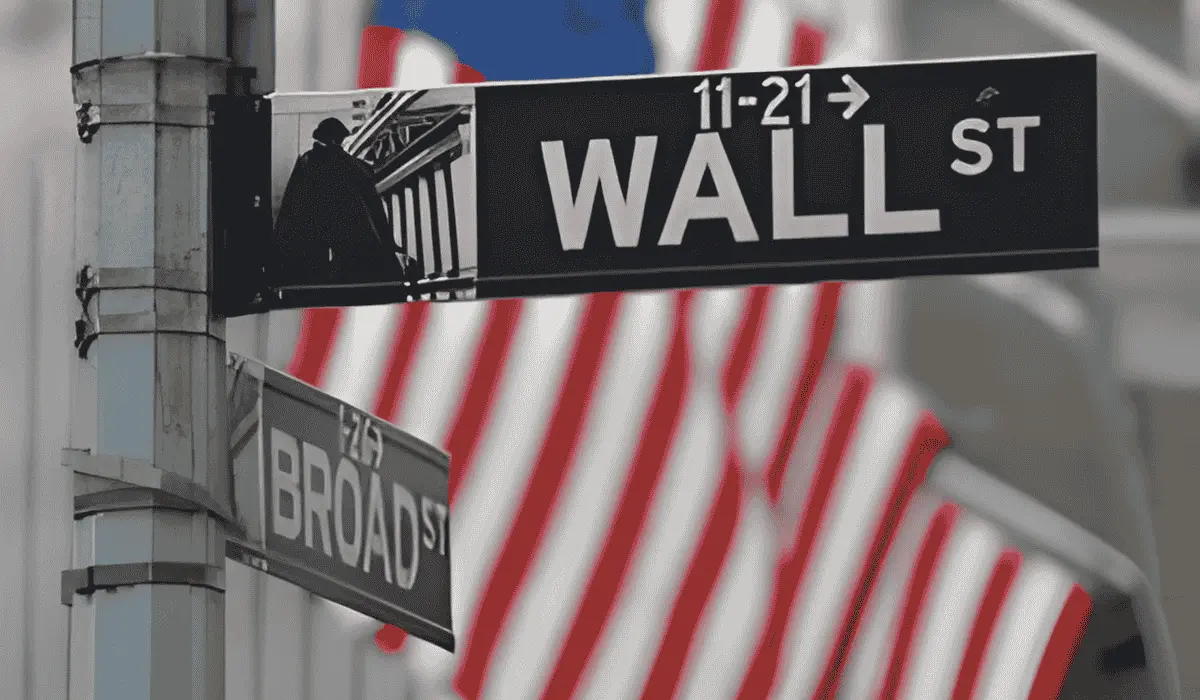
Wall Street closed a light-volume post-holiday session on Friday, December 26, nearly unchanged, with few catalysts contributing to assurance in the improvement of the market conditions.
All three major US stock indexes closed comparatively lower, breaking a five-year rally. However, despite the slight downward bias, all three of the major stock indexes logged their weekly gains.
Since the institutional investors are largely closed out of their positions for 2025, trading was extremely light, and trading was happening on the NYSE for roughly half of the usual volume.
How the Santa Claus Rally Affected the Market
Ryan Detrick, chief marketing strategist at Carson Group, stated that “We had a very strong five-day rally, so in a way we’re just simply catching our breath today after the holiday.” He further mentioned that “this is only day two of the official Santa Claus rally period, so we still have some time, and we think there’s going to be a little more upward bias going forward.”
The impact of the Santa Claus Rally was visible in the market, in which the S&P 500 usually rises during the last five trading days of the current year and the first two of the next. This period has already begun on Wednesday, and will be running till January 5.
Where the Market Stands as the Year Comes to a Close
Analysing the previous years’ data, such a rally is considered a positive indicator for the stock market, and a strong market performance is expected for 2026. With three trading days left this year, the S&P 500 rose to nearly 18%, an after effect of the deregulatory policies of the Trump government, as well as the positive outlook of the investors regarding the future of artificial intelligence.
The Dow Jones Industrial Average fell 20.19 points, around 0.04%, to a value of 48,710.97. The S&P 500 lost 2.11 points, 0.03%, reaching 6,929.94, while the Nasdaq Composite reached 23,593.10, after 20.21 points or 0.09%. Regardless of this downward bias, all three stock indexes ended in a positive area.
Year-to-date, communication services, technology, and industrials have managed to outperform the broader market, while real estate has been the only sector that has shown poor performance.
Influence of the Macroeconomics on the Market
The cooling inflation, tariff jitters, reducing geopolitical tensions, rapid growth of artificial intelligence, and the steady economic growth have all contributed to the roller-coaster ride of the market performance towards the year-end.
The Federal Reserve policy’s expectations for potential rate cuts in 2026 are what kept the equities strong, even during the low-liquidity holiday season. At the same time, the geopolitical developments, fluctuations in the commodity prices, and currency movements continue to have an influence on the sector-level performance.
What to Expect from the Market in 2026?
Detrick added, “It’s a good reminder for investors that volatility is the toll we pay to get the solid gains we’ve seen in the last three years. Odds are, 2026 is not going to be the first year in history with no volatility and no bad headlines. So you prepare yourself.”
Looking ahead, the 2026 market performance is expected to be cautiously optimistic. If inflation continues, it can cause the downward trajectory of market performance, and equities can climb further if the Federal Reserve eases its monetary policies.
Final Thoughts on Wall Street’s Year-End Performance
Despite the small dips in all three indexes, the rally left all three higher on the week and has made double-digit yearly percentage gains. While the geopolitical tensions and weak performance of the dollar have caused many investors to turn to precious metals, especially with silver hitting an all-time high of $77.4 per ounce, the market is expected to move in a positive direction in ideal market situations.
Silver 50 year chart is absolutely insane pic.twitter.com/p58DHiszHo
— EllioTrades (@elliotrades) December 26, 2025
The first wave of corporate earnings and the upcoming macroeconomic data, according to the market experts, will determine whether Wall Street can decisively break above its records in the coming financial year.


