

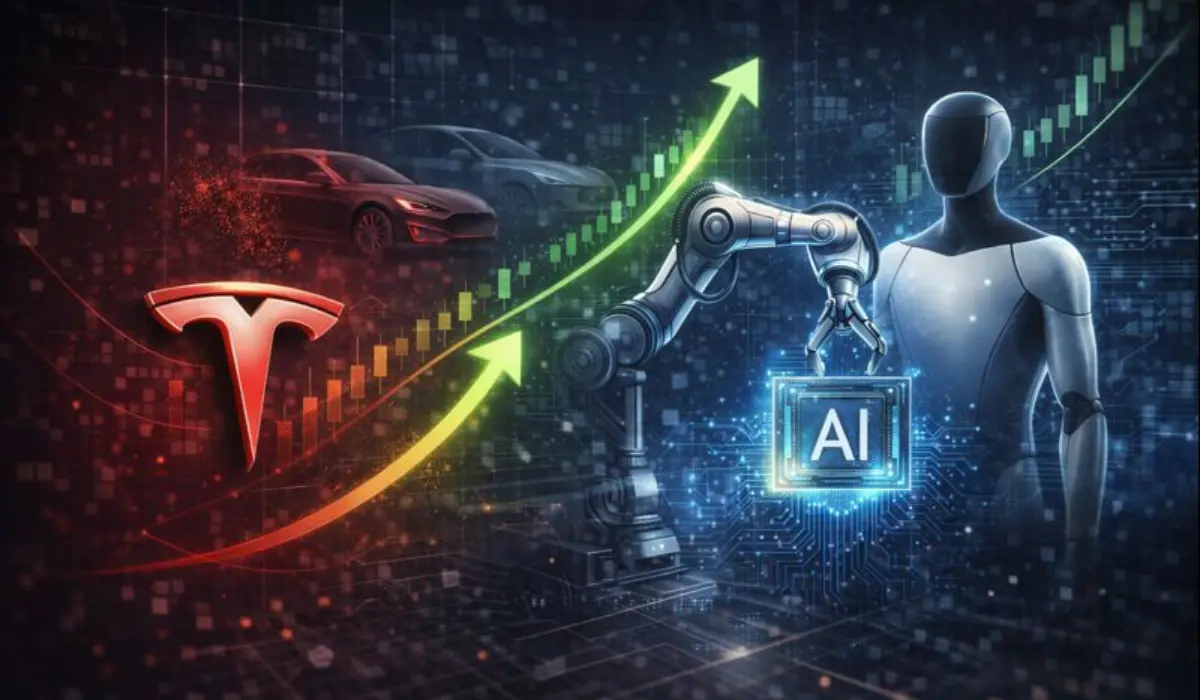
Tesla, Inc. is officially sunsetting two of the most iconic vehicles in its history. During the Q4 2025 Earnings Call, CEO Elon Musk confirmed that Tesla will discontinue the Model S sedan and Model X SUV by Q2 2026, marking the end of the company’s original luxury lineup and underscoring a decisive shift toward artificial intelligence, autonomy, and robotics.
Musk described the decision as an “honorable discharge,” a phrase that quickly resonated across Wall Street and the Tesla community. The wording signaled respect for the legacy of the Model S and Model X while making clear that Tesla, Inc. is exiting the low-volume luxury hardware segment to focus on higher-impact technologies.
The End of Tesla’s Luxury Flagships
The Model S, introduced in 2012, redefined electric performance sedans and helped establish Tesla as a disruptive force in the auto industry. The Model X followed with its distinctive Falcon-wing doors, pushing the boundaries of electric SUV design. For years, Model S and Model X served as Tesla’s technological halo products.
However, by 2025, their strategic importance had faded. Tesla consolidated Model S and Model X into the “Other Models” category, signaling reduced priority. According to disclosures during the Q4 2025 Earnings Call, the category, including the Cybertruck, delivered only around 11,642 units in the quarter, highlighting a steep sales decline that accelerated the decision to wind down production.
The “Farewell Tour” and a Strategic Wind-Down
Analysts now view the minor 2025 refreshes to the Model S and Model X, such as new paint options and added bumper cameras, as a calculated “farewell tour.” Rather than competing head-to-head with newer luxury EVs from Lucid Motors or Rivian, Tesla opted for a controlled exit.
Elon Musk emphasized that continuing to allocate engineering and manufacturing resources to low-volume vehicles no longer aligns with Tesla, Inc.’s long-term objectives, especially as the company prioritizes autonomy and AI-driven platforms.
Fremont Factory to Become an Optimus Hub
The Fremont Factory in California is central to Tesla’s transition. Musk confirmed that production lines currently dedicated to Model S and Model X will be converted to support large-scale manufacturing of Optimus humanoid robots.
The retooled Fremont Factory is expected to be capable of producing up to one million Optimus units annually. Optimus Gen 2 and Gen 3 models are positioned as core growth drivers, with Musk arguing that robotics represents a far larger market opportunity—and higher margin profile than premium electric vehicles.
From Luxury Vehicles to AI, Robotaxis, and Cybercab
The discontinuation of Model S and Model X aligns with Tesla’s broader shift toward autonomy-focused products such as the Cybercab and Robotaxi. These platforms, discussed extensively during the Q4 2025 Earnings Call, are designed to scale globally with minimal marginal cost once software maturity is achieved.
Musk framed the transition as a necessary evolution, positioning Tesla, Inc. less as a car company and more as an AI and robotics enterprise.
Owner Support and Competitive Landscape
Tesla confirmed that service, software updates, and replacement parts for existing Model S and Model X owners will continue for the lifetime of the vehicles, aiming to reassure long-time customers.
While rivals like Lucid Motors and Rivian may attempt to capture displaced luxury EV buyers, Tesla’s leadership remains focused on its next chapter. As Q2 2026 approaches, the “honorable discharge” of the Model S and Model X closes a defining era, while opening the door to Tesla’s most ambitious transformation yet. Meanwhile, Tesla, Inc. (TSLA) shares edged higher, rising $0.55, or 0.13%, to close at $431.46, as investors weighed whether the stock represents a near-term risk or a potential rebound opportunity.


