

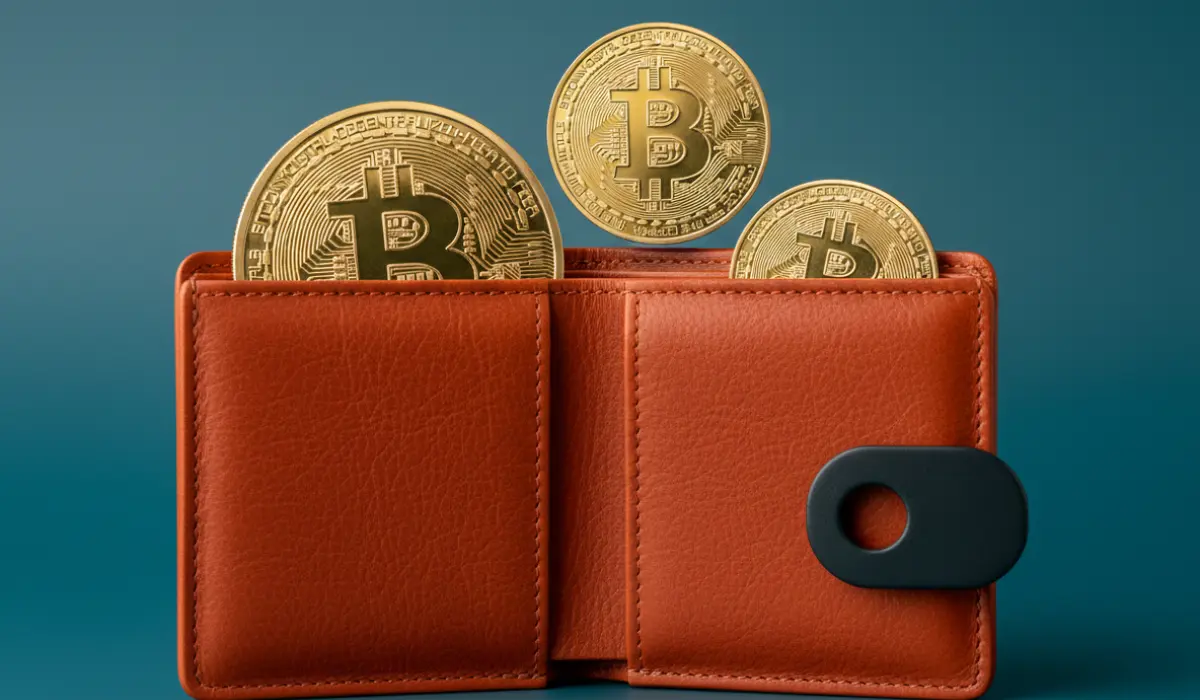
A crypto wallet address refers to a unique, alphanumeric string of characters or a corresponding QR code that acts as a destination for sending, receiving, and holding digital assets on a blockchain. It is similar to a bank account number or email address. Crypto wallet addresses are public, meaning they allow users to share them to receive crypto, and are derived from public keys.
Their main purpose is to identify the sender or recipient of cryptocurrency transactions on a decentralized ledger. This article further discusses the crypto wallet address and how to use it safely. So, keep reading to learn more.
How A Crypto Wallet Address Works
Crypto wallet addresses are generated from public keys, and each cryptocurrency has its own unique wallet address format. They play a key role in cryptocurrency transactions as they allow users to send and receive digital assets throughout the blockchain networks. When you want to receive cryptocurrency, you should provide the wallet address to the sender.
On the other hand, to send cryptocurrency, you will need the recipient’s wallet address. To send cryptocurrency to another user, enter their wallet address into your application. You can do so by either copy-pasting it into the wallet app’s ‘send’ field or scanning a QR code that is provided by the recipient. Keep in mind that wallet addresses can be up to 40 alphanumeric characters long, which makes them difficult to enter manually.
Types Of Crypto Wallet Addresses

Crypto wallet addresses are unique alphanumeric identifiers for sending and receiving digital assets. The different types of crypto wallet addresses include:
Bitcoin Wallet Addresses
Bitcoin wallet addresses have evolved over the years and are known to improve security and transaction efficiency. The types of Bitcoin wallet addresses include:
- Legacy or P2PKH address.
- Compatibility or P2SH address.
- SegWit or Bech32 address.
- Taproot or BC1P address.
Ethereum Wallet Addresses
An Ethereum address is a 42-character hexadecimal string used to interact with the Ethereum mainnet and compatible Layer 2 networks. This address is crucial to send and receive Ether (ETH) and interact with smart contracts.
Other Blockchain Addresses
Some of the other blockchain addresses include:
- Litecoin (LTC)
- Ripple (XRP)
List Of Top Crypto Wallet Providers
Top digital wallet providers include:
- Ledger Nano Flex/Stax (Hardware) – Best for maximum security as it uses a secure element chip to keep keys offline.
- Trezor Model One/Safe 5 (Hardware) – Top open-source hardware wallet that offers high transparency and security.
- MetaMask (Software) – A Web3 and DeFi wallet that supports Ethereum and EVM-compatible chains with direct dApp, swap, and staking access.
- Trust Wallet (Mobile) – A leading mobile wallet known for managing, staking, and trading assets across over 100 blockchains.
- Coinbase Wallet (Mobile) – User-friendly, self-custodial wallet with seamless integration to the Coinbase exchange.
- ZenGo (Software) – A high-security MPC wallet for beginners that eliminates seed phrase risks.
- Exodus (Desktop/Mobile) – Known for its highly intuitive user interface and built-in, easy exchange functionality.
Is It Safe To Share Your Wallet Address?
While it is safe to share your wallet address with others because it is public information, it is important to keep your private keys confidential. Ensure you never share your private keys with anyone, as this could lead to theft of your funds. Since wallet addresses do not offer anonymity, anyone can view your transaction history and balance on the blockchain, potentially linking your address to your identity.
Common Mistakes To Avoid When Using Wallet Addresses
One of the common and critical mistakes when using crypto wallet addresses includes failing to verify the full address, selecting the wrong network, and falling victim to address-poisoning scams by copying from transaction history. In addition, mismanagement of keys, such as sharing seed phrases or using only hot wallets, can lead to irreversible asset loss.
Never ignore a test transaction. Ensure you always send a small test transaction first to ensure it reaches the destination safely before sending a large amount. Lastly, avoid managing your wallet in public or on unsecured Wi-Fi networks, which exposes you to man-in-the-middle attacks.
Tips To Protect Your Crypto Wallet Address
Even though wallet addresses are designed to be secure, it is crucial to follow certain safety tips when handling them. Ensure you double-check the wallet address before sending or receiving funds to ensure it is correct. Since cryptocurrency transactions are irreversible, a mistake can result in permanent loss of funds.
To protect your crypto wallet address and assets, use a hardware (cold) wallet for storage, never share your seed phrase, and enable 2FA using authenticator apps. Also, regularly update software, use strong and unique passwords, and consider using multiple wallets to separate funds.
Final Thoughts
Crypto wallet addresses play a key role in managing and securing digital assets effectively. It is similar to a bank account or email and is used to send, receive, and hold digital assets on a blockchain. It allows users to perform public transaction verification while keeping their personal identity private. Even though these addresses are safe and secure, always verify addresses before sending to avoid “address poisoning” scams.
FAQs
- How do I find my crypto wallet address?
You can find your crypto wallet address by opening your wallet app, selecting the specific crypto asset, clicking ‘Receive’, and choosing the correct blockchain network.
- What crypto wallets are the safest?
The safest crypto wallets are hardware wallets (cold storage) like Ledger and Trezor, which keep keys offline, with Ledger often praised for security.
- Is it safe to give a crypto wallet address?
Yes, it is generally safe to give out your public crypto wallet address, as it functions like an email address or bank account number, allowing others only to send you funds.
- What are the signs that my crypto wallet is getting hacked?
Signs of a compromised crypto wallet include unauthorized, unrecognized transactions, missing funds, unexpected login alerts, and being locked out of your account. Other red flags include receiving unexpected phishing requests, requests for private keys, or seeing unexpected tokens/NFTs appear.


