

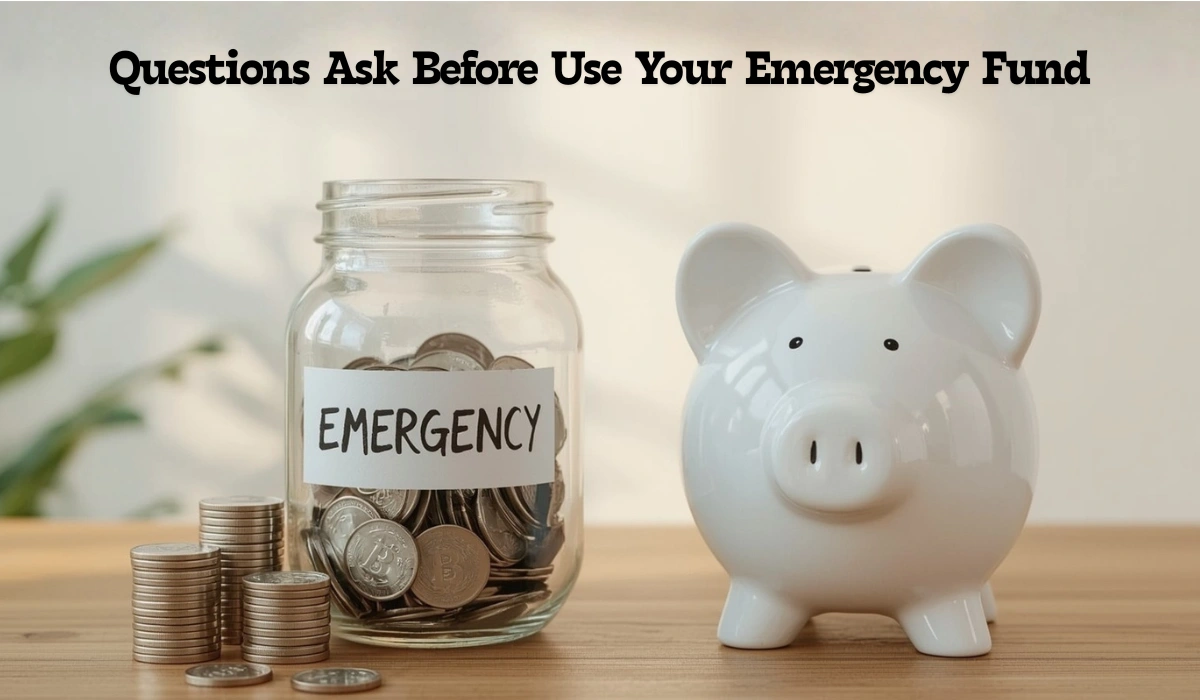
Emergency funds are highly important as life can take a turn for the worse at any point, and you can’t use them carelessly. But when exactly should you use the emergency fund? Should you use it straight away if something comes up, or do you need to prioritize the life events? Should you adjust your budget to accommodate the new, unexpected expense?
If you can make adjustments to your budget, definitely do that first. But if necessary, use your emergency fund, because that’s what they are for. In this article, we will be discussing the top three questions to ask yourself before going for the emergency fund.
When To Use The Emergency Fund?
Try to answer these questions and come up with real reasons to use your emergency fund:
1. Is The Event Unexpected?
You forgetting to add an event to your budget does not constitute an emergency or unexpected event. Calendar events should be absolutely left out of being claimed as unexpected. For example, insurance premiums, Christmas shopping, etc., are all pre-known events, and your poor planning doesn’t make them unexpected. Good budget planning can avoid using emergency funds in such situations.
On the other hand, truly unexpected events such as getting laid off from work, wage cuts, catastrophes, or accidents that require intense treatments and follow-ups can all be included in unexpected events that might need using the emergency fund.
2. Does The Unexpected Event Need To Be Dealt With Immediately?
Some events, though important, may not require immediate care. They can wait till the next paycheck, and can be kept out from draining your lifetime savings. Some of the situations that require immediate attention include car and refrigerator repair. These events need to be addressed immediately.
But events like year-end sales, unexpected deals on your favourite brand, or a popular artist’s concert tickets do not require breaking the emergency funds. Emergency funds are about long-term securities and not instant gratification.
3. Is This The Only Option Left?
Even if the event is really important and unexpected, ask yourself if accessing your emergency fund is the only way out. Can you think of other ways to deal with the emergency, rather than rushing to use the fund?
Can you temporarily make adjustments to your budget while cutting out non-essentials? Is it possible to pick out a few extra shifts or freelance gigs to help you cover the emergency? Can you negotiate a payment plan, paying in instalments? Enquire about the available benefits, such as applying for unemployment in case you are laid off, paid family leave benefits if your immediate family member is sick. Do you have any other savings, like a health savings account (HSA) or a holiday fund that could be redirected temporarily to cover the emergency?
If any of these instances are possible, it might help you reduce the amount you need to withdraw from the emergency fund.
Additional Questions To Ask Yourself While Considering The Emergency Fund
- How much do you need to withdraw from the emergency fund? Consider all possible financial sources so that you might need a lesser amount from the emergency fund.
- How are you planning to replenish the fund? Once you have dealt with the emergency, try to replace the amount you have withdrawn from the fund, so that you can use it for future needs. You can do this through automated transfers, cutting back temporarily, or by redirecting the windfalls like tax refunds, bonuses, or birthday money.
- Will using the emergency fund jeopardize your future financial security? While using the emergency fund to solve a short-term crisis, it shouldn’t leave you impotent to handle a bigger one in the future.
How To Create An Emergency Fund?
- Proper and planned budgeting will allow you to meet the expenses and live comfortably. This expense figure will help you calculate your emergency fund.
- Size up your fund by multiplying your average monthly expenses by the fund duration. It is recommended to keep at least 6 to 12 months of average monthly spend as an emergency fund.
- Once the budget is laid out, apportion the money.
- Diversify your emergency fund in liquid financial instruments, so you’ll have readily available cash during an emergency.
- Once the emergency fund is close to the target, try to put the fund to work, such as investing in mutual funds.
- In case you earn some lump-sum amounts like a bonus, cash gift, or win the lottery, move a larger portion of that money to your emergency fund.
Conclusion
If you are facing some real emergencies and are unable to gather money from any other sources, go ahead and use your emergency fund. However, make sure you use your fund wisely and smartly, and try to maximize the efficiency of the fund.
If you can answer these questions with clarity, you can withdraw the required amount from the emergency fund. Also, remember to reimburse the fund once your emergency is dealt with, so that you can use it in the future as well, when life might take some unexpected turns.


