

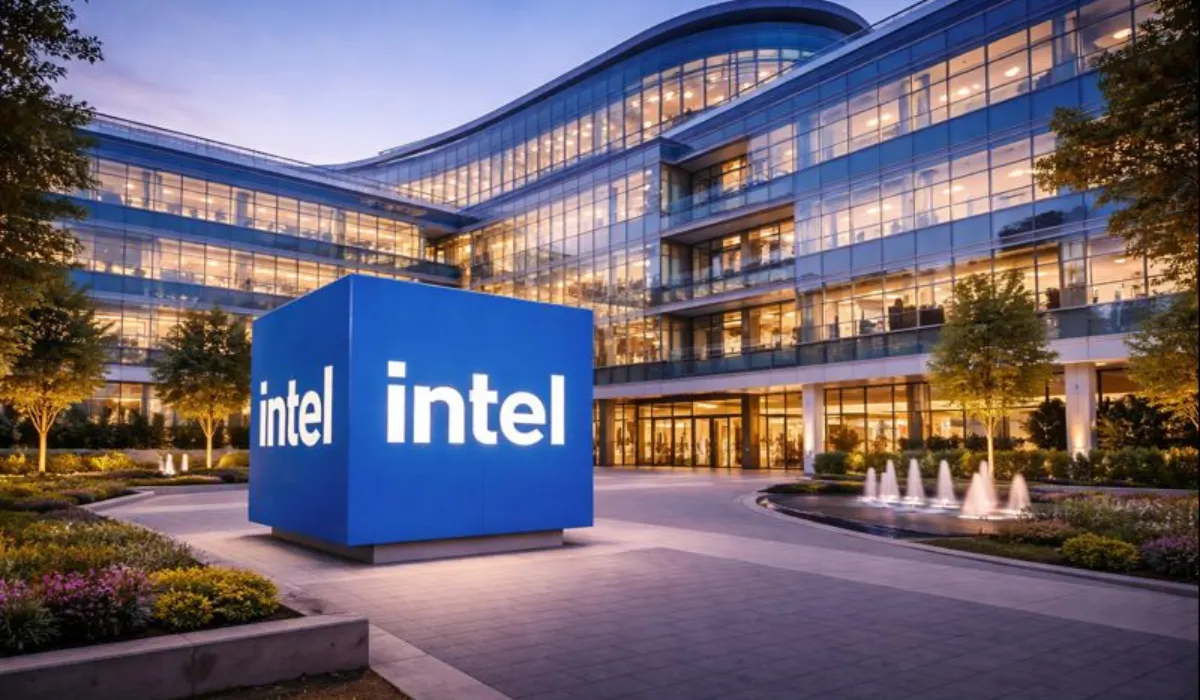
Intel Corporation (INTC) shares closed at $54.25, up $5.69, or 11.72%, and added another 1.18% to $54.89 in pre-market trading ahead of the next session, marking one of the semiconductor giant’s strongest single-session rallies in years, as investors warmed to signs that its long-promised turnaround is shifting from survival to execution mode ahead of the earning report scheduled to be released later today. Intel’s stock is currently trading at its highest level since January 2022.
The rally followed renewed confidence in Intel’s manufacturing roadmap, particularly its 18A process node, which executives and industry sources say has achieved yield rates above 60%, a critical threshold that materially improves commercial viability. For a company that has struggled with delays and execution missteps for much of the past decade, the update signaled tangible progress rather than aspirational targets.
Moreover, Intel Corporation announced that it will release its fourth-quarter and full-year 2025 financial results on Thursday, January 22, 2026, shortly after the close of U.S. markets, followed by an earnings conference call at 2 p.m. PT to discuss the results. The call will be webcast live on Intel’s Investor Relations website at intc.com, where supporting materials and a replay of the webcast will also be made available.
From Survival to Execution
Under CEO Lip-Bu Tan, Intel has emphasized discipline and delivery over sweeping promises. Analysts say that the tone shift, combined with improving data, is resonating with markets. “The conversation has changed,” said one U.S.-based semiconductor analyst. “Intel is no longer fighting for survival. It’s proving it can execute.”
That execution narrative was reinforced by guidance pointing to Q4 revenue of $13.38 billion to $13.7 billion, alongside earnings per share (EPS) ranging from $0.08 to $0.23, beating the most conservative expectations. Just as important, Intel reiterated its goal of stabilizing and expanding toward a 40% gross margin, a psychological milestone for long-term profitability.
A major driver of optimism is Intel’s push to scale Intel Foundry, positioning the company as a U.S.-based alternative to overseas manufacturing. Progress on 18A is central to that effort, particularly as geopolitical risk reshapes supply chains.
The strategy has attracted notable backers. SoftBank Group has invested roughly $2 billion, while Nvidia (NVDA) has taken a reported $5 billion strategic stake, underscoring industry confidence despite ongoing rivalry in artificial intelligence chips. The partnerships strengthen Intel’s bid to claw back share from TSMC (Taiwan Semiconductor), currently the world’s leading contract chipmaker.
Policy Tailwinds and Political Context
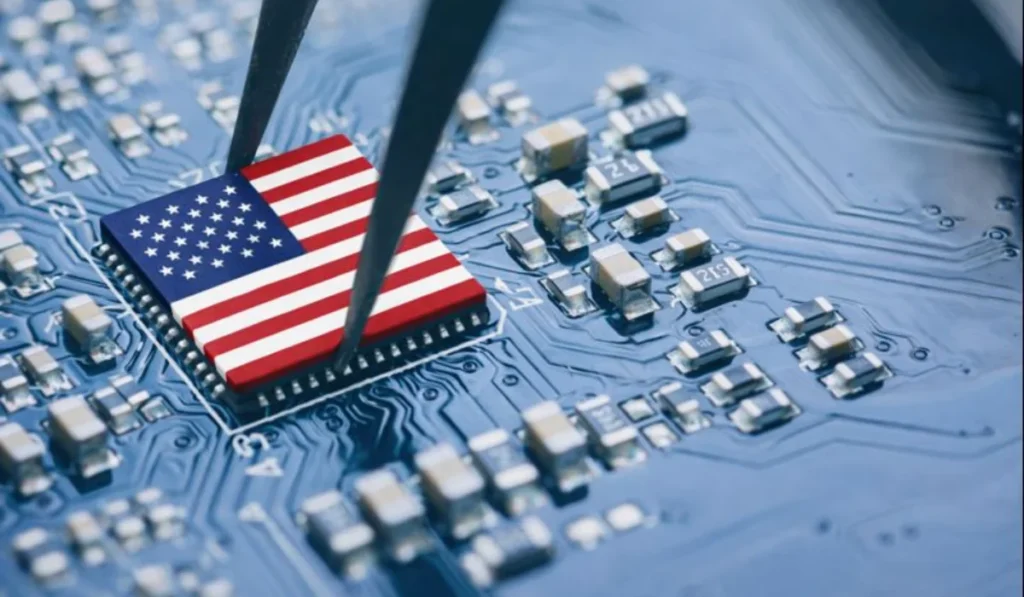
Intel’s resurgence is also benefiting from Washington’s industrial policy. Funding and incentives under the U.S. Government’s CHIPS Act, estimated between $8.9 billion and $11 billion, are providing financial and regulatory support for domestic semiconductor manufacturing. For U.S. investors, the narrative of “chip independence” has become a powerful tailwind.
President Donald Trump, speaking at Davos 2026, stated that the U.S. is “leading the world in AI by a lot,” and ruling out Greenland acquisition by force had caused a bullish impact in the market.
Beyond manufacturing, Intel is betting on new products to drive growth. The upcoming Panther Lake processors and Xeon 6 server chips are central to its 2026 roadmap, targeting the AI PC cycle and data center demand. Early customer feedback has been encouraging, according to management, particularly as enterprises look for alternatives amid tight supply from competitors.
A Cautious but Growing Optimism
Despite the stock’s sharp move, analysts caution that Intel still faces execution risk. Yield rates must continue to improve, customer commitments must translate into volume, and margins must hold. Still, the market reaction suggests a meaningful reset in sentiment.


