

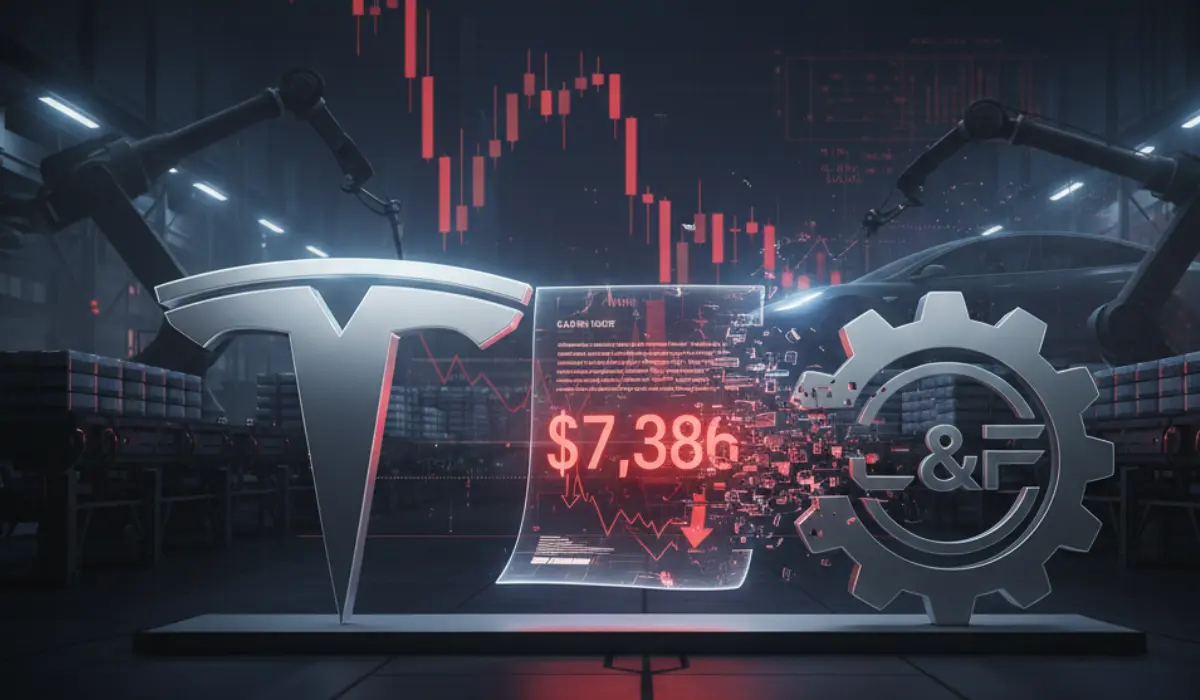
On December 29, L&F, a South Korean material maker, announced that the value of its 2023 supply deal with Tesla has declined from about $2.9 billion to $7,386.
According to L&F, the massive deal of the company with Tesla to offer battery components has been significantly reduced to 9.73 million won, essentially finalising a main contract worth 3.83 trillion won, which was operated until 2025.
According to an L&F official, the decline of 9.73 million won implies the amount of money offered to Tesla thus far. Further, this reduction implies that Tesla purchased significantly less raw material for EVs than was actually planned, suggesting that the real contract terms were highly unfulfilled.
Read More: Guardian Metal Resources: Investors Wait Patiently as the Stock Market Gains Confidence
Variable nature of the Contract Value
On February 28, 2023, L&F signed a contract with Tesla, in association with the supply of raw materials, including high-nickel cathodes, to the US and other locations. The contract period is from January 1st, 2024, to December 31st, 2025, and its amount at the time is similar to 395% of revenue.
The main objective of the contract between Tesla and L&F is to deliver high cathode nickel material for Tesla’s Electric vehicles (EV) and also its energy storage products.
This contract deal is one of the greatest growth drivers of the L&F, and its contract value was variable, tied to its real raw material prices, like lithium, at the time of delivery, and also its initial $2.9 billion figure was an estimate depending on those anticipated volumes and significant inputs.
When analysing the current figure, it can be efficiently noticed that the anticipated demand has nearly cancelled. Further, on Friday, Tesla shares declined about 2.10%, stopping at $475.19.
Contract Realities and Financial Discrepancy
According to the organisation’s official, the total value was revised down to $7,386, and this amount indicates the real value of materials offered to Tesla so far, especially during the agreement period.
Tesla, one of the leading American multinational firms focusing on EVs, has been adjusting its battery chemistry to sustain performance and cost.
According to a company official, the majority of Tesla’s premium models utilise high nickel batteries built with partners, including LG Energy Solutions and Panasonic. Further, for the mass market cars, the company mainly depends on lower-cost lithium-iron phosphate batteries, which are mainly supplied by CATL, a Chinese battery manufacturer.
Tesla is localising the majority of its supply chain in the United States to qualify for tax advantages that come under the Inflation Reduction Act, a landmark U.S law investing greatly in energy security, clean energy, and climate change mitigation. This movement results in reducing the necessity for L&F’s raw materials, which are manufactured in Korea.
The agreement between Tesla and L&F is a substantial gain that has shifted into a near-zero contract, showing how instantly supply plans can transform in the battery and electric vehicle industry.
This contract deal signifies a main trend in the last months of 2025, as various key electric vehicle battery deals were liquidated or collapsed, involving contracts including LG Energy Solutions and Ford.


