

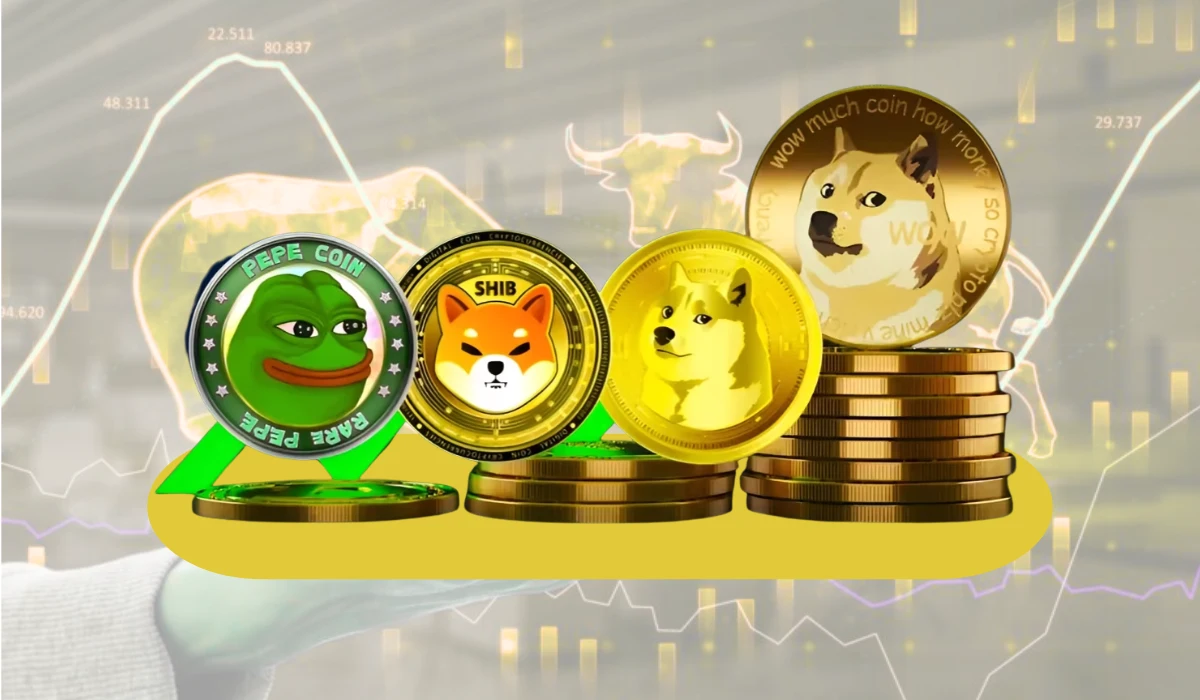
Meme stocks refer to stocks that go viral, and when they occur, share values skyrocket way beyond their estimated value. This ends up creating a trading frenzy. Meme stocks can seem appealing as they appear to promise a big return, but there is no way to predict when their value might crash. Meme stocks can be volatile and very risky, which is why they may not be the ideal choice for every portfolio. There are several things to consider before thinking about investing in them. This article will further discuss everything you need to know about meme stocks. So, keep reading to learn more.
Popularity Of A Meme Stock
Meme stocks are based on internet sensations, including behaviors, humorous ideas, and styles that go viral. These types of stocks gain popularity from the hype created by amateur investors on social media platforms and online forums. The viral nature of meme stocks allows their value to skyrocket well above their estimated value. They are often said to have a heavier discourse and analysis in discussion threads, especially on websites such as Reddit and posts on platforms like X and Facebook.
How Meme Stocks Work
When the hype behind meme stock creates an avalanche of activity, it leads to a short squeeze. It occurs when investors bet that a particular stock’s price will go down, but instead the price goes up. When dealing with meme stocks, it is important to learn the term ‘short selling’. It is a trading strategy where investors suspect a stock’s decline. Short sellers often bet on a drop in the stock price and earn a profit from it. Some investors follow this strategy when they think a stock is overvalued. Rather than buying and selling stocks, investors borrow shares to sell them at the current price. However, at a certain point, these borrowed stocks must be returned.
If the stock increases in value, the investors will be required to pay the difference. They will then have to pay a higher price in order to purchase and repay the borrowed shares. If an investor borrows plenty of shares, the difference can add up fast. Often, investors with short stocks end up panicking to buy shares, trying to mitigate their losses and pay back all that was borrowed. A sudden surge in demand increases the price of stocks even more, thus creating a short squeeze.
The Role Of Social Media In Meme Stock Trading
Social media plays a crucial role in meme stock trading because it is what creates a sense of belonging, uniting others by a common goal. It is also responsible for proliferating a persuasive and viral narrative and coordinating the behaviour of a group of investors to act in unison. In simpler terms, social media fuels meme stock. It helps create a community, rapidly spreading sentiment (often hype), enabling coordinated retail action, and amplifying volatility through viral posts. It is what causes a sudden price surge driven by attention rather than fundamentals.
Why Meme Stocks Are So Volatile
Meme stocks are considered volatile and risky, as their price is often disconnected from the actual, real value of the underlying company. Investing in meme stocks can feel more like gambling because the prices are driven by hype and emotion rather than careful analysis. It is basically luck, because investors are hoping to get lucky with the momentum and timing to earn a profit. However, just like gambling, the odds are unpredictable, and one could end up losing the entire investment as quickly as they made it. Be mindful that the prices can skyrocket within hours or even minutes, and a sudden drop would wipe out all investment.
Meme Stocks vs. Traditional Stocks
Meme stocks’ value comes from rapid, viral surges in price, which are driven by social media hype, online communities, and retail investor sentiment. On the other hand, traditional stocks derive value from revenue growth, company earnings, and long-term economic prospects. While meme stocks are considered extremely volatile and risky, traditional stocks are said to be less volatile in nature.
What Investors Should Know Before Buying Meme Stocks
Indeed, it can be exciting to make a large amount of money in a short time, but it can be highly risky. Most investors jump onto meme stocks because they hope to make a large amount of money in a short period of time. There are many responsible ways to approach investing in meme stocks, but it is best to discuss it with your personal advisor before making risky investments. Before investing in meme stocks, ensure it is a good pick and that it aligns with your investment goals. Have a proper strategy about whether you are buying and quickly selling the stock or hanging on. Even if you may see a potential for a fast gain, do not invest more than you can afford to lose.
Conclusion: Are Meme Stocks Worth Investing In?

Meme stocks can be appealing to investors, as they promise big returns in a short period. However, if it sounds too good to be true, maybe it is. Meme stocks can be highly risky because they entail plenty of financial speculation, as their value is not based on the predictability of company assets, performance, or earnings. As for whether you should invest in meme stocks, they are not inherently bad companies, but the price could go up and down. So, before getting involved with meme stocks, ensure you review the company’s fundamentals and make a case for investing. Verify the annual and quarterly reports to see if the company is growing.
FAQs
No, it is not advisable for beginners to invest in meme stocks because they are highly volatile and speculative, resembling gambling more than traditional investing.
Yes, it is possible to make money on meme stocks, but it is largely driven by speculation and social media hype, making it a very risky investment.
Investors primarily buy meme stocks for the potential for high, short-term profits, a desire to participate in social movements, and for entertainment value and community engagement.


