

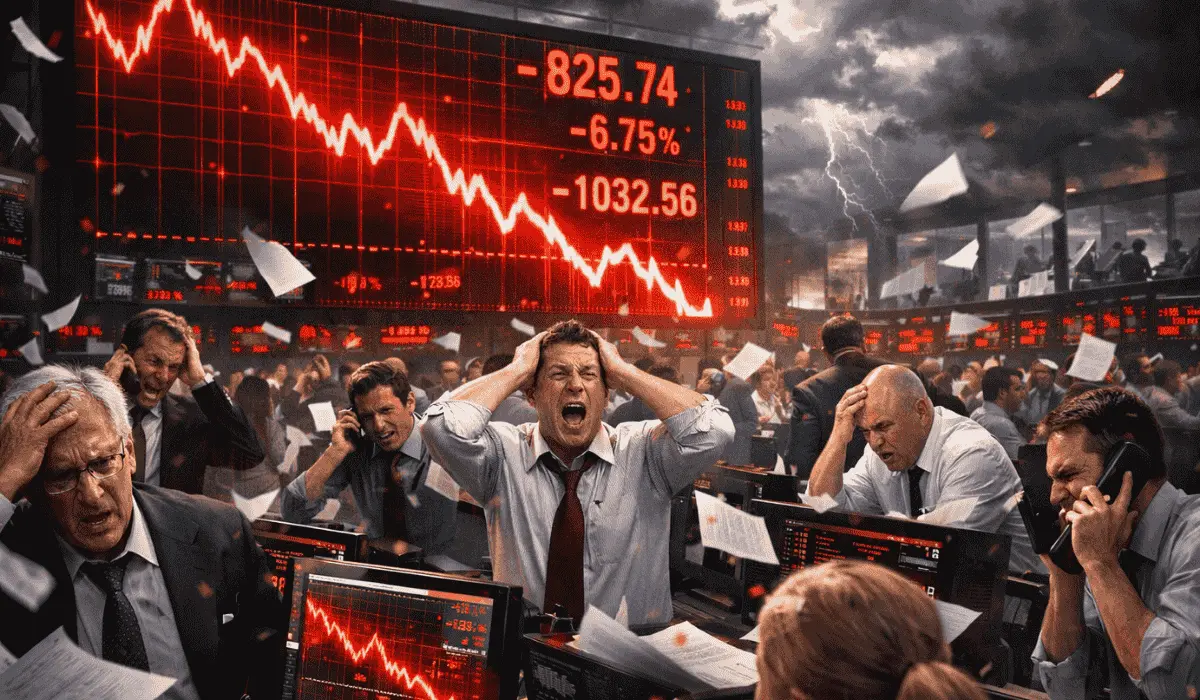
A stock market crash is the unexpected, rapid fall of prices, which is impactful enough to cause big financial losses. The causes of the crash can be due to different reasons – the pandemic, geopolitical events, wars, and more. Black Monday (1987), the Wall Street Crash of 1929, the COVID Pandemic (2020), the Russia-Ukraine war (2022), and the 2008 Financial Crisis are a few examples of major stock market crashes.
Factors Causing the Stock Market Crash
Changes in Tax
Implementation of higher taxes reduces the profit gains due to lower after-tax returns, which indirectly leads to rapid price fluctuations. And it may influence the short-term sellers to panic sell, which makes it even worse.
Unexpected Changes in Economic Policies
The uncertainties in the policies can lead to confusion among people. The investors lose confidence and thus create emotional distress. This eventually reduces investment rates and thus causes an overall instability.
Technological Problems
The fast-paced technologies can be harmful too, due to the insertion of any wrong data or code while using super-speedy computers. Even minor errors can create great panic and interrupt liquidity.
Inflation & Speculative Bubbles
The sustained increase in general price levels, which is also known as inflation, happens temporarily, and then a sudden collapse also occurs. These fluctuations might manipulate the traders for buying and selling, which may not be beneficial for them.
Excessive Leverage
Large amounts of money are used in the stock market. Widespread selling is aimed at achieving big gains. But the sudden drops can lead to a rise in liquidation by dropping their prices. And along with this, there will be a fixed payment of debts to be paid regardless of fluctuation in market value.
What Happens if a Stock Market Crash Occurs?
Overall Economic Wealth Loss
The stock market crash will gradually reduce the prices and value. The investment decreases, and traders may hesitate to initiate businesses, hence the return will be less. Gradually, this can lead to a worsening of economic conditions.
Increases Unemployment Rates
During these situations, most of the traders discourage or feel less confident in implementing or introducing new strategies. It is due to the uncertainties in the economic policies and regulations. The economic distress and lower profit returns will lead to a decrease in job offers in different sectors.
Bear Market
Major drop in the market values and prices, leading to serious consequences like negative feedback from the customers, anxiety, and fear among both investors and traders, and it may even cause unemployment.
Tendency for Panic Selling
These situations can emotionally drive one to make temporary comforting decisions. One of these is panic selling, mainly due to being triggered by negative emotions like fear and anxiety.
How to Deal with This?
Focus on the Strategy without Fluctuating
Being self-confident is something that needs to be ensured for yourself during these difficult situations. Always try to have a firm stand and stick to the long-term strategy that you already decided without being deviated by any causes.
Try to Invest in Strong Companies
Instead of being negative, think and plan on buying new stocks from strong companies. Make sure that consistent profit is gained through it. Eventually, these steps will help to gain perseverance.
Keep Consistency
Try to keep a strong, resilient mindset to recover from all these hectic conditions. As a part of it, consistently paying into a SIP (Systematic Investment Plan) is highly appreciated. This can be helpful to deal with any unexpected financial conflicts or clashes.
Try to Rebalance
Look for several ways to handle the situation before hitting the downfall. One of the best ways is to buy the less volatile assets and sell them, when there is a high market value. Rather than looking for new strategies, work on the pre-established strategies with a positive, optimistic mindset.
Take Wise Decisions
A stock market crash can shake one financially, psychologically, and emotionally as well. Most importantly, try to be balanced and level-headed, and the actions should not be just driven by any emotion. Instead, always keep a forethought to make the right decisions.
The Bottom Line
Knowing the nature of the business or trade before entering into stock marketing is the first step a trader or investor should take. And accordingly, look for different ways and methods to deal with the uncertainties and sudden economic clashes. Instead of waiting for a particular time, be prepared to face them confidently by taking precautions through several measures and plans.


