

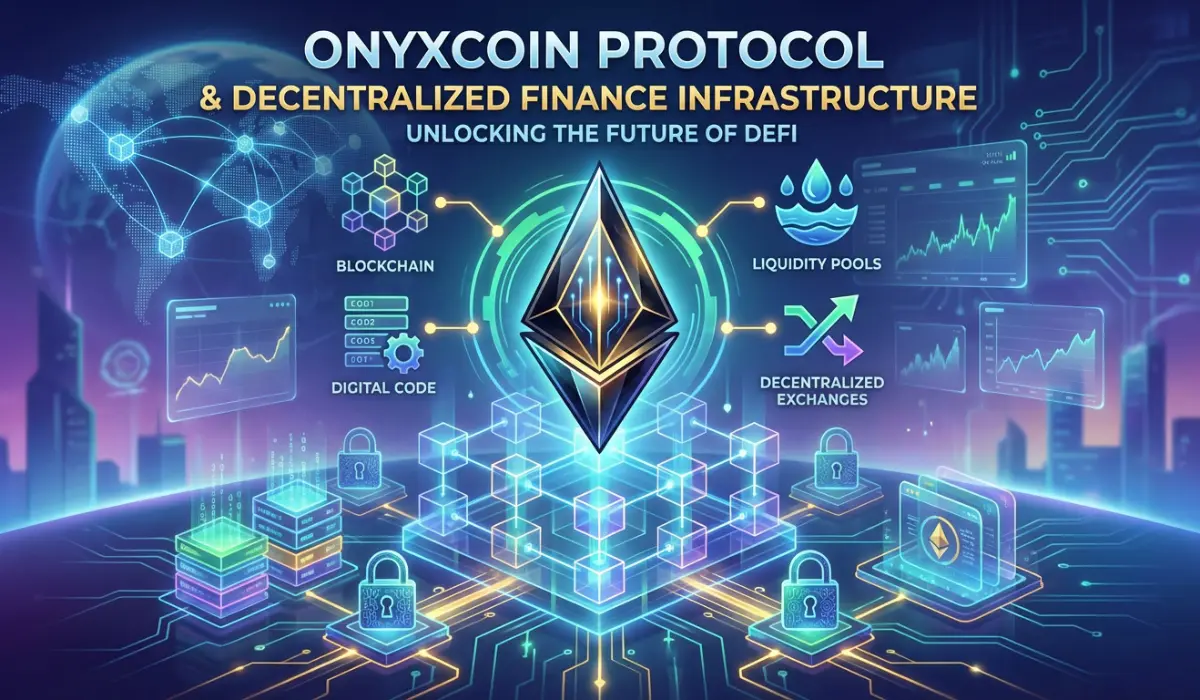
The inefficiency in capital has hindered traditional decentralized lending protocols from reaching the potential of collateral and digital assets. These platforms often suffer from constraints such as narrow token support, centralization, or fragmented liquidity. Onyx protocol addresses these challenges by introducing a fully decentralized, multi-token liquidity protocol that is powered by the native utility token, Onyxcoin (XCN). The Onyx protocol offers a more reliable and trustworthy platform for digital asset holders to borrow and lend by eliminating all points of failure and promoting transparency. Let’s understand the dynamic and mechanism of this efficient protocol to decode its benefits so that you can incorporate it in your next move.
What is the Onyxcoin Protocol?
The Onyx Protocol is a decentralized finance platform that is built on the Ethereum blockchain, offering secure and efficient lending and borrowing solutions. Beyond the traditional ERC-20 tokens, Onyx aids a wider range of assets, including the ERC-721 and ERC-1155 tokens. Leveraging the power of smart contracts, Onyx provides a transparent and trustless environment for users to access financial services like lending and borrowing. Within the Onyx Protocol ecosystem, you can utilize credit lines in a unique and distinguished manner. Here, the credit lines can be accessed without a monthly repayment plan or predefined expiration dates, tackling decentralized lending issues creatively. Once accessed and borrowed, these credit lines will be perpetual as long as the collateral remains sufficient. This is an innovative approach towards DeFi.
How Does Onyx Protocol Work?
The Onyx Protocol operates through a decentralized smart contract deployed on the Ethereum chain. These contracts allow the deposit of digital assets, assess the value of the collateral, and issue credit lines based on the provided collateral. Let’s explore the working of Onyx Protocol:
- Deposit: users will deposit digital assets onto the platform and enable them as collateral.
- Evaluation: The assets are further evaluated based on their aggregate value and collateral factors, determining the maximum credit lines available.
- Credit Lines: An algorithmic credit line is issued based on the collateral value without the need for traditional credit checks.
- Borrowing: users can borrow Ether or ERC-20 tokens with interest rates determined by the yield curve for a specific asset.
- Governance: Changes to the protocol are made through on-chain governance proposals initiated by Onyxcoin stakers.
Features of Onyx Protocol
The Onyx Protocol is a platform designed with a fully decentralized architecture, which operates on transparent, open, and credible peer-to-peer smart contracts. Unlike traditional platforms that rely on centralized control to ensure that all transactions are transparent, secure, and immutable, the Onyx Protocol leverages the decentralized nature of the blockchain. The Onyx Protocol consists of the following features:
Multi-Asset Collateral Support
Onyx Protocol supports a wide range of digital assets as collateral, including ETH, ERC-20 tokens, and ERC-1155 tokens, enabling broader access to liquidity.
- NFT-Backed Lending: Users can collateralize NFTs to unlock value, a key innovation that enhances borrowing capacity and bridges liquidity between the NFT and DeFi ecosystems.
- Unified & Perpetual Credit Lines: The algorithmic and perpetual credit lines without fixed repayment schedules or expiration dates allow flexible borrowing as long as the collateral remains sufficient.
- Decentralized Governance (Onyx DAO): The protocol is governed by the Onyxcoin (XCN) stakers through an on-chain DAO.
- XCN Token Utility: Onyxcoin serves as the native ERC-20 token.
- Gas Refund Program: To improve user experience on Ethereum, Onyx Protocol runs a gas refund plan, reimbursing users for gas fees incurred during deposits, borrowing, staking, and other interactions, funded with $100,000 worth of ETH.
Tokenomics of XCN
XCN is the native token of the Onyx ecosystem, and it acts as a utility token and as a governance token. The XCN tokenomics is designed to provide long-term sustainability, balancing the supply, utility, and incentives within the Onyx ecosystem. The distribution and allocation of XCN ensure a structured approach to the growth of the network, governance participation, and staking rewards. A portion of the XCN total supply is allocated to the Onyx Treasury that is managed by the Onyx DAO. The allocation of the treasury is governed by on-chain voting, which ensures decentralized oversight of fund utilization.
The total supply of XCN tokens was initially set at 100 billion units, but it has now been reduced to 48,470,523,779 units following the burning of unclaimed distributions and locked allocations for the team and founders. Currently, 23 billion units are in circulation, while 10 billion units have been allocated to the DAO for grants, incentives, distributions, and other operations. Additionally, 15 billion units have been assigned to the treasury.
Is XCN a Better Investment in 2026?
Holding XCN tokens represents a fractional stake in the governance of the Onyx Protocol. Because of the distinct nature of the Onyx Protocol, there is potential for significant growth as more users adopt the platform. At the time of writing, XCN is trading at $0.005235. Backed by major financial institutions like Visa, Nasdaq, and Citi, consensus on XCN is cautiously bullish, centered on tangible catalysts like exchange listings and whale activity, though tempered by awareness of its extreme volatility and reliance on speculative leverage. The community is closely watching whether the price has the potential to reclaim and hold above the $0.0095 resistance level to confirm the sustainability of the early 2026 rally. Onyxcoin is forecasted to hit $0.01011 by the end of 2026, which is up 90.37% compared to the current rates.
While not as widely recognized as Solana (SOL) and Ripple (XRP), XCN has attracted attention due to its low market cap. XCN’s ties to established blockchain projects like Stellar and Velo Labs, with upcoming technological developments such as the Goliath mainnet and Chain.ai integration enhances investor confidence.
Conclusion
Onyx Protocol aims to solve capital inefficiency and centralization issues in traditional DeFi lending by creating a transparent, secure, and fully decentralized ecosystem that is powered by smart contracts and community governance. It is supported by a robust ecosystem, including the Onyx Web App, governance tools, and integration with premium services like Chain.com. However, it is essential to note that cryptocurrencies are highly volatile, speculative, and operate in an unregulated environment with no consumer protection. Hence, it is strongly recommended to seek professional financial advice to carefully manage risks and invest only what you can afford to lose.
FAQs
Adam Ludwin, a venture capitalist with the support of major venture capital firms, founded Onyxcoin in 2014.
Yes, you can redeem Onyxcoin into real money, but you need to hit the 1x playthrough and have a minimum of 20 Onyx cash to redeem.
No, Onyx is not available on the Binance exchange. You need to use the web3 wallet and a DEX to buy it.
World Liberty Financial is the primary crypto venture co-founded by Donald Trump and his sons, along with Steve Witkoff.
The U.S. is the largest holder of Bitcoin, followed by China.
You can find your crypto wallet address by opening your wallet app, selecting the specific crypto asset, clicking ‘Receive’, and choosing the correct blockchain network.
The safest crypto wallets are hardware wallets (cold storage) like Ledger and Trezor, which keep keys offline, with Ledger often praised for security.
Yes, it is generally safe to give out your public crypto wallet address, as it functions like an email address or bank account number, allowing others only to send you funds.
Signs of a compromised crypto wallet include unauthorized, unrecognized transactions, missing funds, unexpected login alerts, and being locked out of your account. Other red flags include receiving unexpected phishing requests, requests for private keys, or seeing unexpected tokens/NFTs appear.


